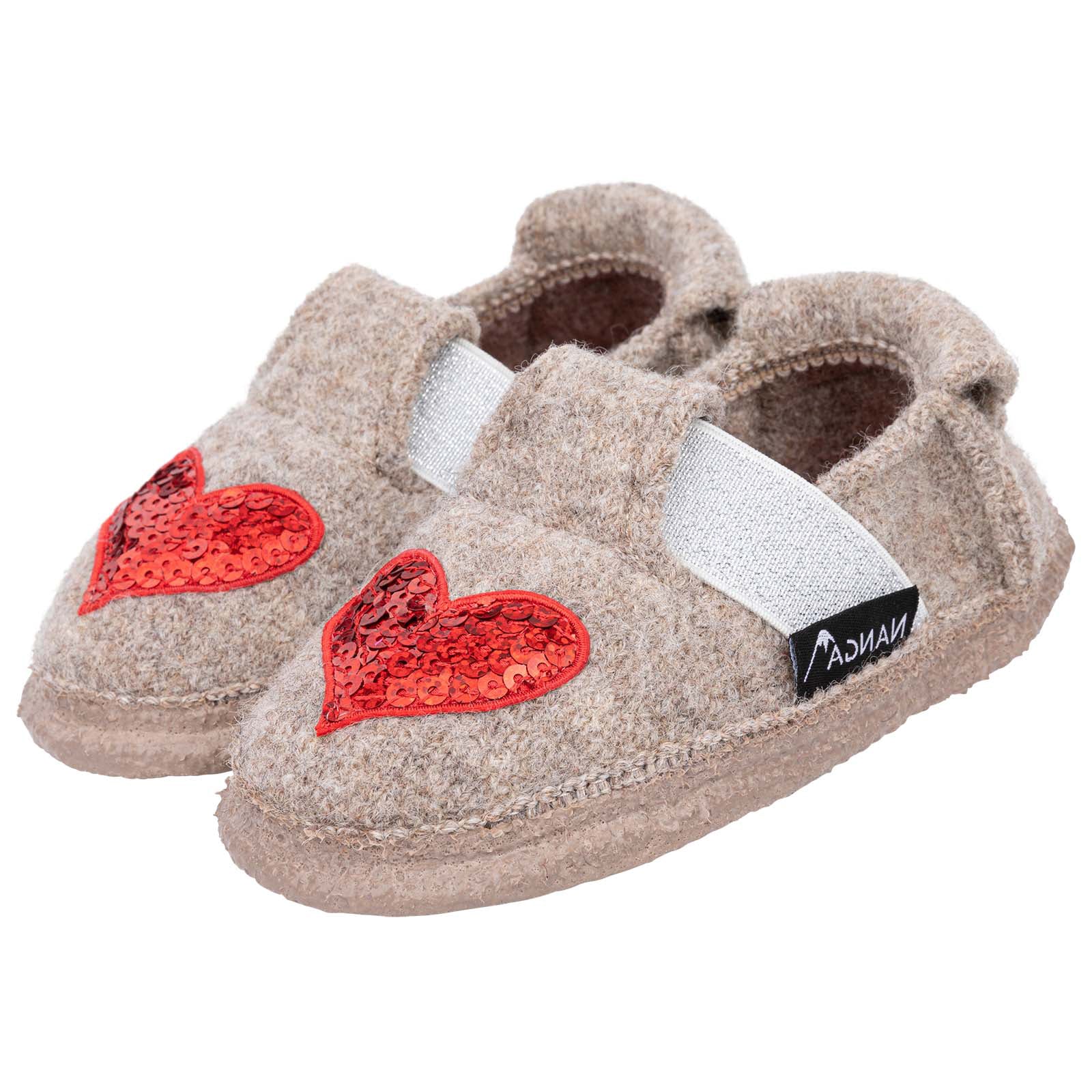

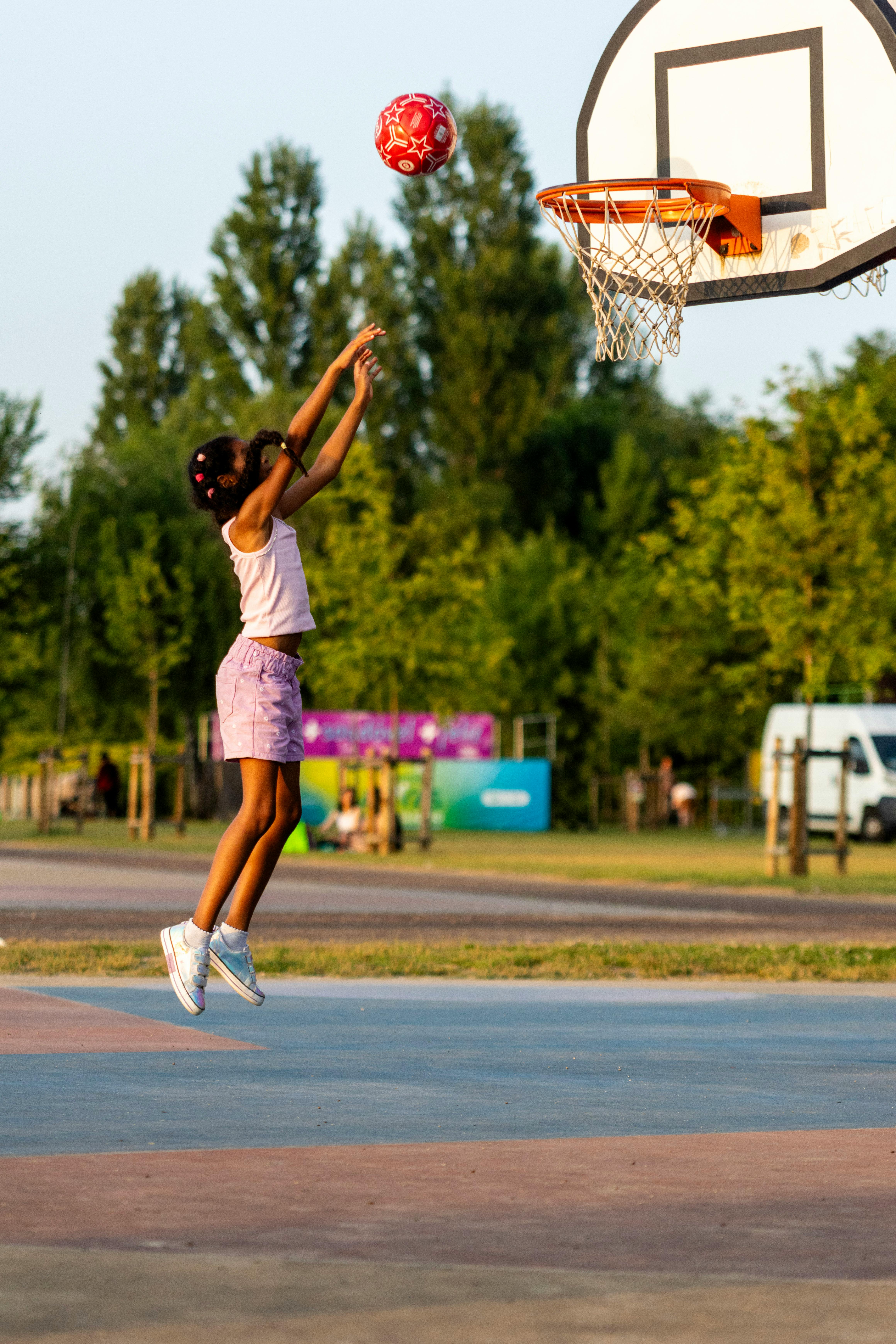
Limited living space doesn't have to mean sacrificing freedom of movement and safe play. Narrow hallways, overcrowded rooms, and slippery floors often create a sense of insecurity and restrict daily life and play.
This article presents three practical approaches: decluttering and floor plan optimization, safe floor coverings and clear walkways, and the use of multifunctional furniture to create flexible movement zones. Concrete measures and examples demonstrate how tripping hazards can be reduced, usable space maximized, and room to move around gained without artificially increasing the living area.

1. Create space by decluttering and optimizing the floor plan
Start with a systematic decluttering process using the three-box method. Empty rooms one at a time and sort everything into keep, give away, and discard, with usage frequency determining what remains accessible. Fewer items on the floor create continuous walking and play areas and reduce tripping hazards, making usable spaces immediately apparent. Supplement this with multifunctional furniture and vertical, hidden storage such as fold-down furniture, storage benches, wall shelves, hooks, and boxes stored under the bed. Rotate toys instead of leaving everything accessible at once.
Plan traffic routes carefully, keep primary paths between seating, dining, and sleeping areas clear, and arrange furniture to create continuous routes. Mark potential paths with tape on the floor and conduct short test runs with typical movements to identify tripping hazards. Push bulky furniture to the edges and zone the center of the room as an open play and running area, using mobile storage containers to prevent toys from getting scattered. Store rarely used items in higher areas or in closed containers, and consolidate storage near where things are used to maintain consistently clear space. This makes free space visible, easier to maintain, and small changes in the layout quickly reveal which measures are most effective.
2. Install safe flooring and keep walkways clear.
Choose non-slip, shock-absorbing floor coverings and even out any height differences between different floor coverings to prevent edges from becoming tripping hazards. Secure carpets and runners mechanically with non-slip backing, flat edge connections, or permanent fixings, as a firmly fixed surface demonstrably reduces the risk of tripping. Such measures cushion impacts from falls and eliminate common obstacles in confined living spaces.
Guide and organize cables systematically along edges, run them along walls, stow them in shallow cable channels, or run them under furniture edges to eliminate tripping hazards. Mark and keep continuous walkways clear, arrange furniture so that main paths remain clearly visible and sufficiently wide, and use different surface textures or subtle color contrasts for better orientation. Conduct regular checks and maintenance: clean up spills immediately, put away small items, and check fixings and floor coverings for wear. Clean, intact surfaces reduce the risk of slipping and tripping and make it easier to walk and play safely in small apartments.
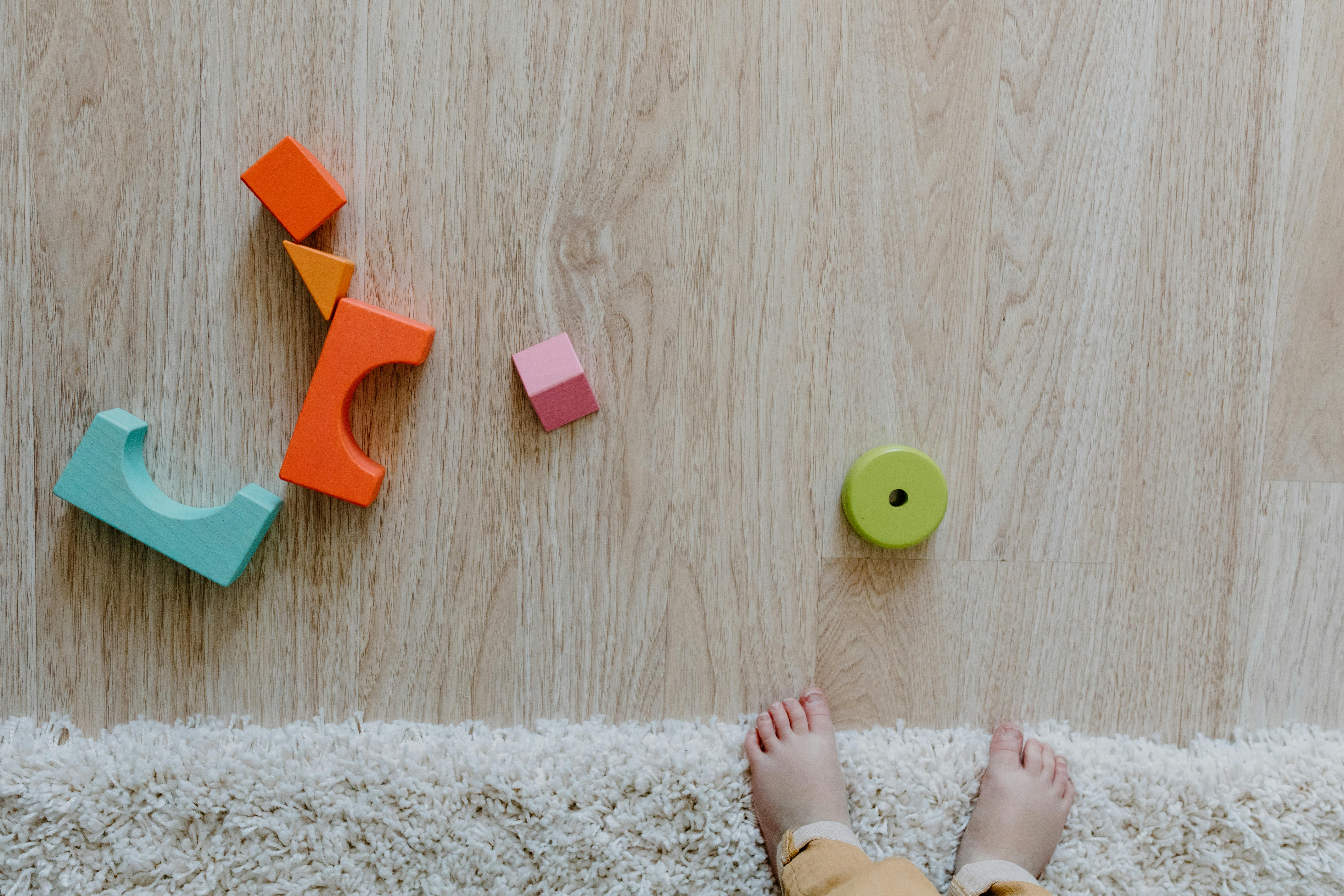
3. Use multifunctional furniture and create flexible movement zones
Opt for wall-mounted and foldable furniture, as well as furniture on wheels with lockable casters, so you can quickly clear space. Securely mount fixings, plan for easily accessible handles and locking mechanisms, and ensure smooth-rolling wheels and lockable brakes for easy and safe movement. Utilize the space behind folded-out elements and storage space under seats or beds for toys, and include recessed handles on boxes so you can quickly clear and restore the space.
Use nestable solutions like stools, side tables, or modular seating cubes and stack them according to a clear organizational principle, label locations, and ensure that stacked items are stable and won't tip over. Define flexible movement zones with easily removable floor coverings, foldable play mats, or mobile room dividers so that walking and play areas can be quickly adapted. Plan for approximately 90 to 120 cm of free space for safe turning and running, and designate several fixed storage areas to simplify rearranging. Secure tall shelves to the wall and use soft edge or mat solutions at potential impact points to reduce the risk of injury.