
Many parents are surprised that their children's feet still become dry, cracked, or cold quickly after a warm foot bath. This article explains simple measures regarding temperature, bath additives, moisturizing care, and clothing to protect the skin and keep it soft.
You will learn how to protect children's feet from cold and dryness, how to create a comfortable bath with the right temperature and gentle additives, and how oils or creams with absorption times strengthen the moisture barrier. You will also find practical tips on knitting warm wool socks from suitable yarn and on everyday protection through breathable shoes, appropriate socks, and skin care.
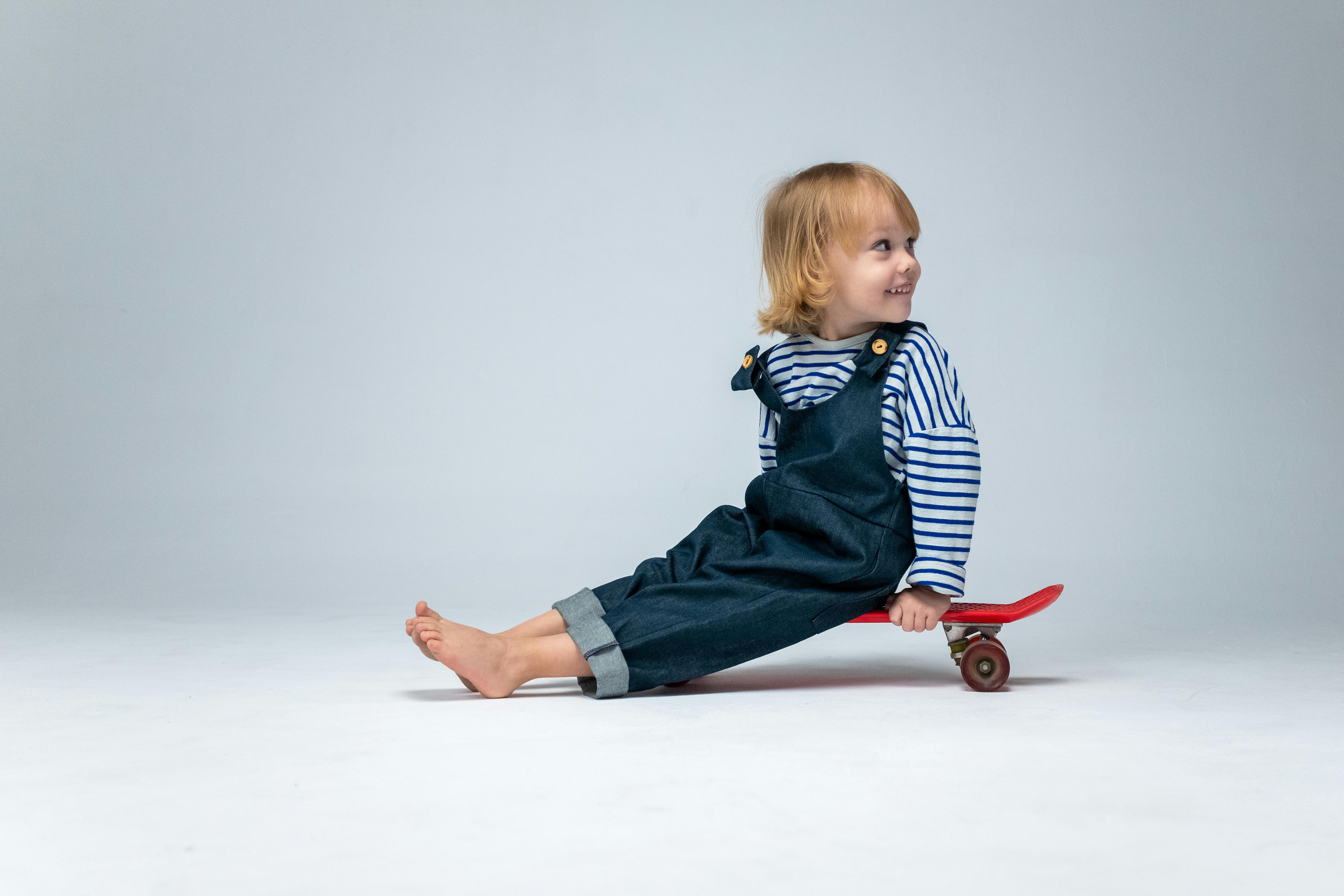
Protect children's feet from cold and dryness.
After a foot bath, gently pat away excess water and sparingly apply a rich, occlusive cream. Thin cotton socks promote absorption of the active ingredients and reduce transepidermal water loss. Pat dry between the toes and check for redness or white discoloration, as moist skin folds increase friction and promote fungal infections. These measures keep the skin supple without trapping moisture in skin folds. Applying product sparingly prevents damp shoes and makes putting them on easier.
Choose breathable natural fibers, avoid tight cuffs, and ensure sufficient room in your shoes to allow moisture to escape and reduce overheating. Use a layering system with thin socks and, if necessary, an insulating outer layer to adjust temperature regulation and moisture wicking to your activity level. Regularly check for cracked heels, persistent redness, or cold toes. Adjust your foot care, sock selection, and room humidity accordingly, and consult a medical professional if problems persist.
Wear 100% organic cotton sneaker socks for dry, breathable feet.

How to bathe properly: temperature, duration, mild additives
Choose lukewarm water close to body temperature and test it on your inner wrist, as water that is too hot dissolves the skin's natural lipids, promotes redness, and increases moisture loss. Soak only until your skin feels soft but not puffy, because prolonged soaking can dissolve intercellular lipids and increase transepidermal water loss. Use mild additives, such as pH-neutral, soap-free products, colloidal oatmeal, and a few drops of vegetable oil instead of foaming bath products, to gently cleanse and soothe your skin. Avoid fragrances and alcohol-based products if you have sensitive skin.
After bathing, gently pat your feet dry, leaving the skin slightly damp, and immediately apply a moisturizing product to help retain the moisture; a thin film of oil can measurably reduce water loss. Discontinue use of additives if redness, itching, or minor skin damage occurs. Reduce the frequency and intensity of use if dryness is visible, and seek medical advice if problems persist. Always supervise children during bathing.
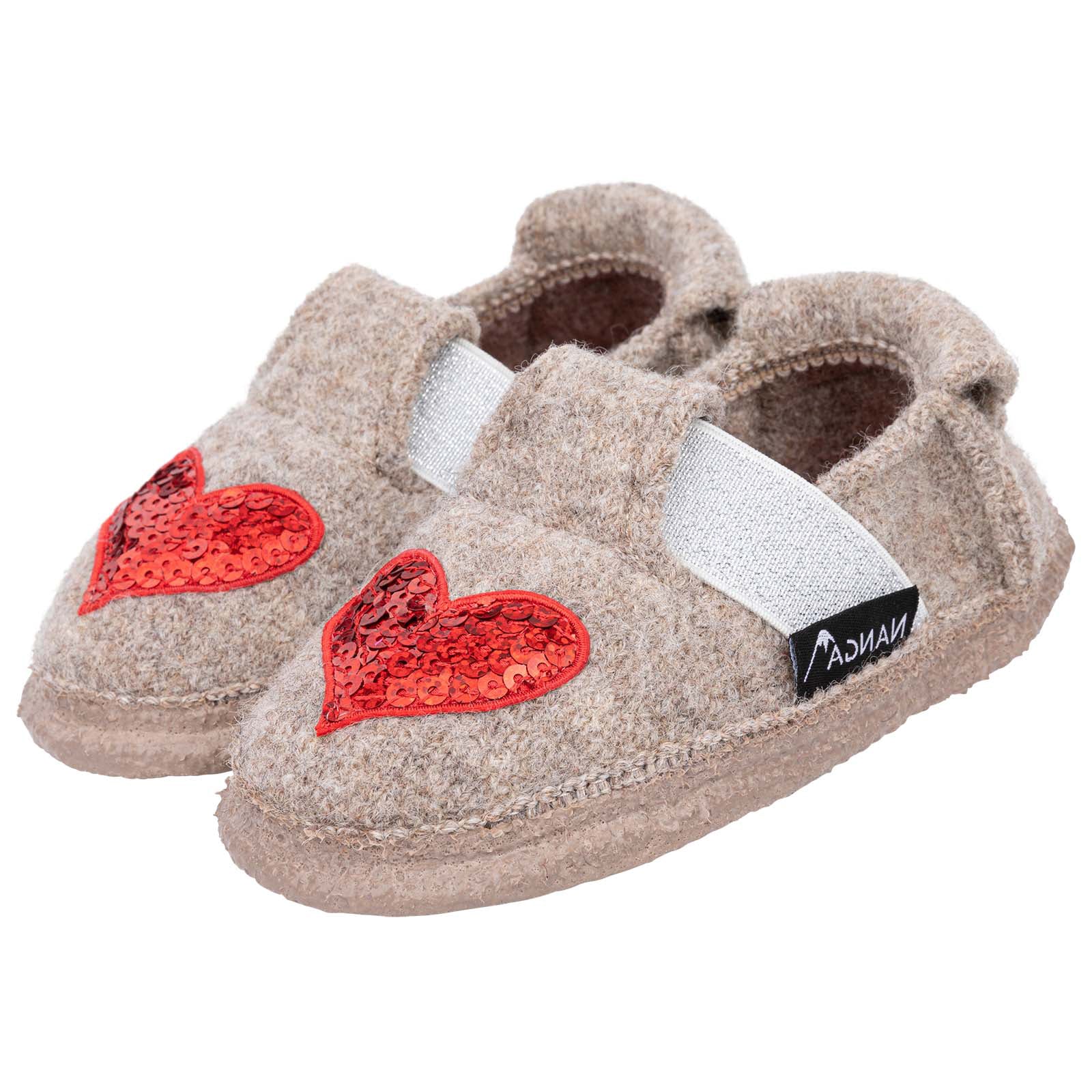
Temperature-regulating, non-slip wool shoes for children's feet that are still damp.
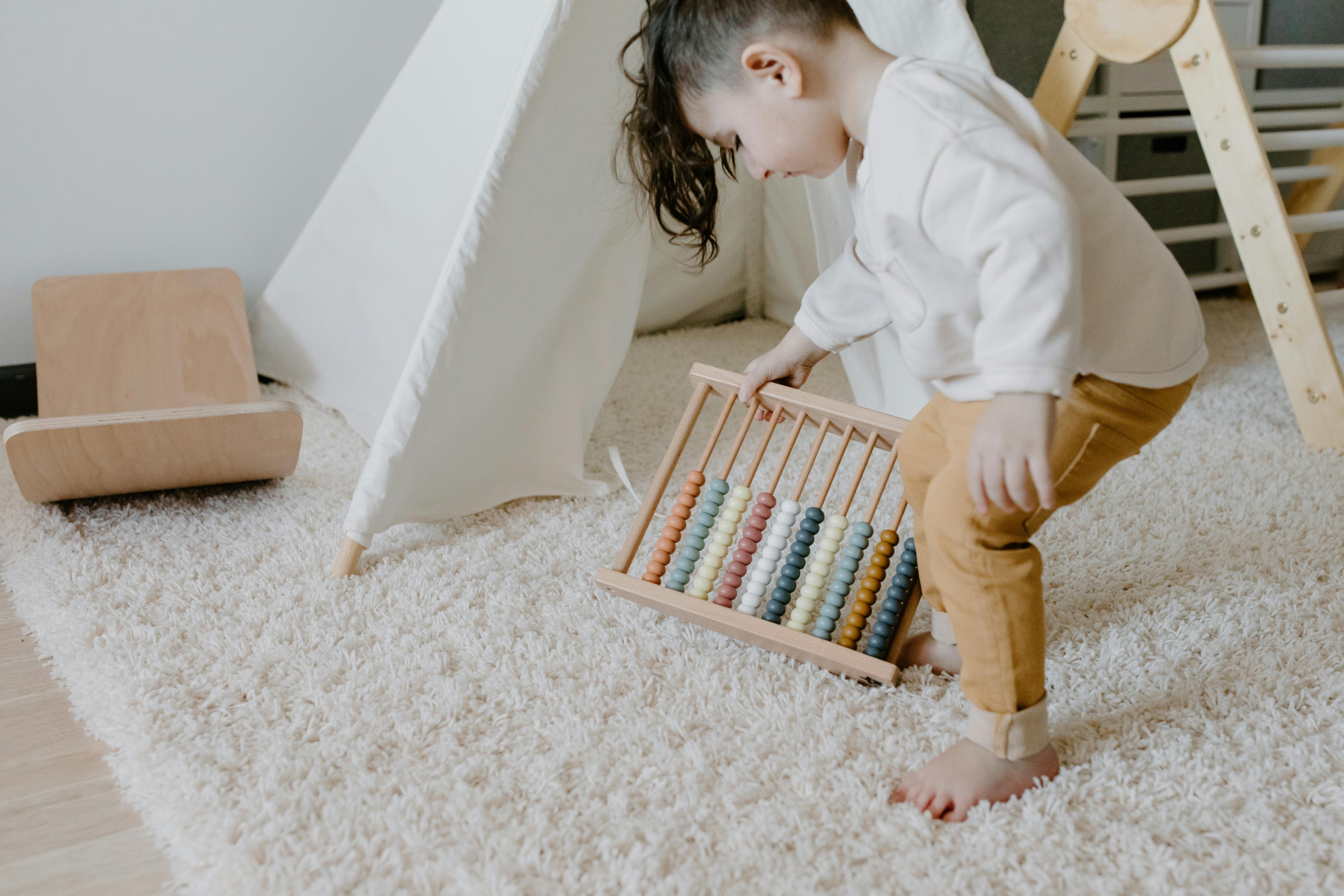
Strengthen the moisture barrier with oils, creams, and absorption times.
For permanently soft, non-dry children's feet, a combination of plant oils with a high linoleic acid content, moisturizing agents such as glycerin or urea, and a final occlusive layer is recommended, as studies and skin physiology show that this combination stabilizes the skin's lipid structure and reduces transepidermal water loss. Apply the treatment to slightly damp feet, spreading a pea-sized amount in circular motions and massaging the heels and balls of the feet in particular to improve absorption and circulation. For very dry areas, you can apply a thin additional layer to increase local effectiveness.
Don't judge absorption by fixed times, but rather by whether the product is no longer sticky and the skin appears soft but not shiny. For severe dryness, first apply a fast-absorbing emulsion, followed by a light occlusive cream at night to combine short- and long-term moisture protection. Before applying to larger areas, perform a patch test on the inside of the forearm. Avoid fragrances and irritating essential oils for young children, and discontinue use if redness, scaling, or itching occurs. After a foot bath, gently roughen softened calluses with a foot file or pumice stone, removing only a small amount. Then, seal the treated areas with a rich cream or ointment. Deep or bleeding cracks, persistent inflammation, or pain require medical attention, as simple care is insufficient in these cases.
- Preparation and sequence: After a foot bath, first apply a vegetable oil with a high linoleic acid content to slightly damp feet, then a moisturizing phase with glycerin or urea, and finally an occlusive layer to stabilize the skin lipid structure and reduce transepidermal water loss; distribute pea-sized amounts in circular motions, massage heels and balls of the feet, and apply a thin additional layer to very dry areas.
- Absorption behavior, technique and frequency: Assess the absorption by observing that the product is no longer sticky and the skin appears soft but not shiny; in case of severe dryness, first apply a fast-absorbing emulsion, replenish with an occlusive cream or ointment at night, and apply daily as needed, locally even twice daily.
- Suitable ingredients and formulations: Use plant oils with a high linoleic acid content such as sunflower, safflower, or grapeseed oil, humectant agents such as glycerin or low-dose urea, and occlusive lipids such as petrolatum, beeswax, or ceramides in rich creams; pay attention to skin-friendly pH, low-irritant formulations, and avoid fragrances and irritating essential oils for infants.
- Safety, application instructions and warning signs: Before applying over a large area, perform a patch test on the inside of the forearm and stop if redness, scaling or itching occurs; after the foot bath, gently roughen softened calluses with a foot file or pumice stone, do not remove too much, and cover the area with a rich cream; seek medical advice in case of deep or bleeding cracks, persistent inflammation, or pain.

Knit warm wool socks from suitable yarn.
When choosing yarn, it pays to consider the fiber properties: untreated sheep's wool and finer natural fibers absorb moisture and wick it away from the foot without feeling wet, while yarns containing lanolin retain their natural oils and softness for longer. Superwash treatments make machine washing easier but reduce the natural oils and thus, in the long run, softness. Blends with plant fibers increase breathability but can alter elasticity and durability. Fingering to sock weight yarns are suitable for thin children's socks or house socks, while DK to Aran weights are recommended for warmer models.
Washing and refreshing routines maintain softness: clean by hand in cold water or on a gentle cycle with mild wool detergent, gently squeeze out excess water, dry flat, and, if necessary, restore the natural oils with a light lanolin treatment. Construct socks with a balanced gauge, adjusted stitch count, flat toe seam, reinforced heel and toe areas, and an elasticated cuff or fold-over cuff for a better fit and increased durability. For slip resistance, textile nubs created by small knots or targeted stitch structures are recommended, while avoiding loose fibers and coarse seams to minimize the risk of swallowing. Double-layered soles, insulating patterns, colorful stripes, and alternating textures make them easier to put on and take off, increase their appeal to children, and improve the likelihood that the socks will actually be worn after a foot bath.
Try lightweight, non-slip organic cotton socks for breathable, safe children's feet.
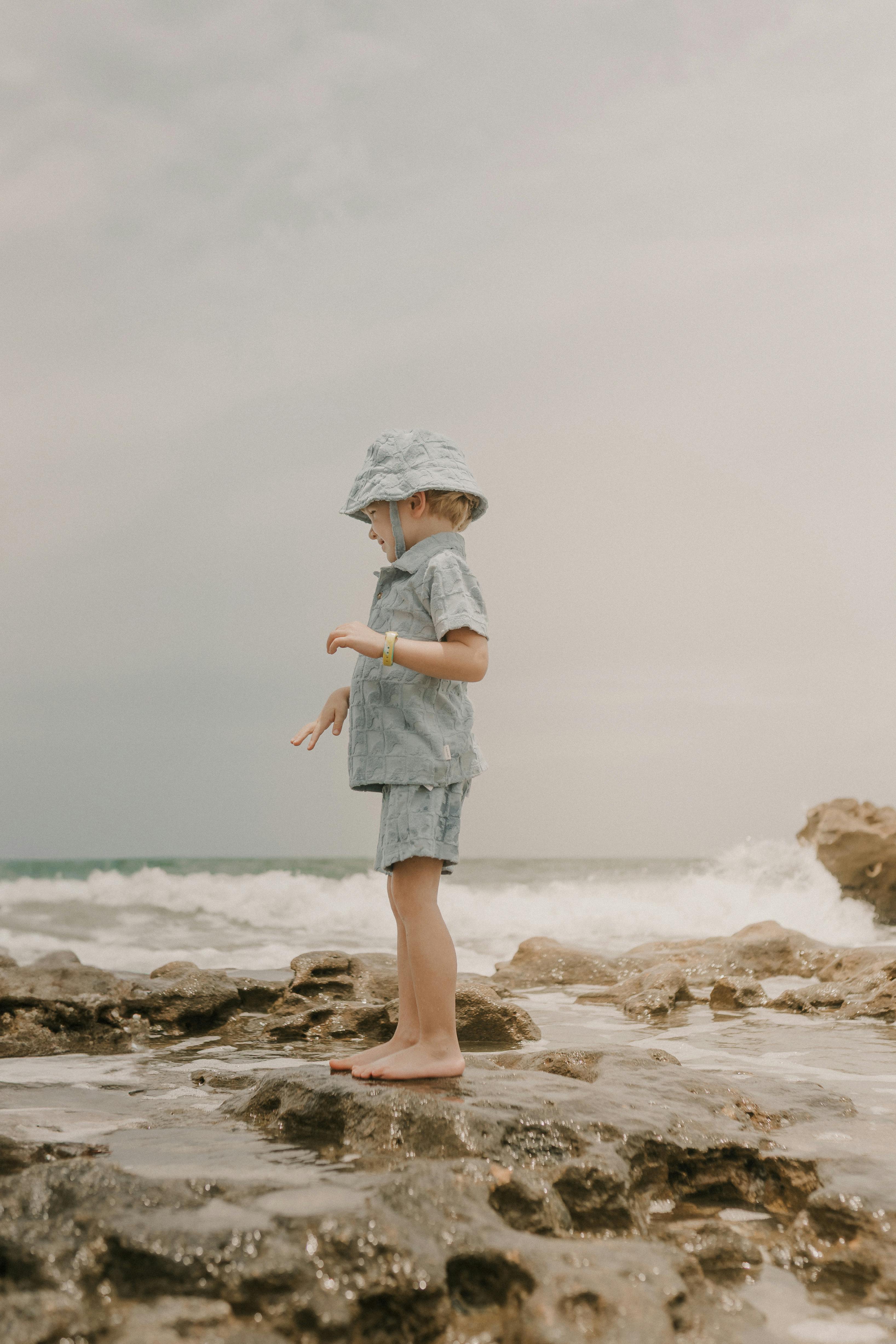
Protect yourself in everyday life with breathable shoes, matching socks, and skin protection.
Choose breathable shoes that allow for proper airflow, a flexible toe box, and about a thumb's width of space at the front. Materials like leather or mesh fabric reduce moisture buildup, thus lowering the risk of chafing and fungal infections. Wear moisture-wicking or breathable socks directly against your skin, preferably seamless, absorbent styles, and change damp socks immediately. Such combinations minimize friction, wick away sweat, and prevent long-term maceration.
After your foot bath, gently pat your feet dry and apply a moisturizing cream or lotion to slightly damp skin to help the active ingredients absorb more effectively. Use thin, fast-absorbing formulas during the day and a richer moisturizer in the evening if needed. For pressure points, use thin pads or absorbent insoles, change your shoes regularly, and allow them to dry completely, as persistent moisture and friction can lead to maceration, redness, and an increased risk of infection. Regularly check between your toes and your nails, trim them straight across, and seek medical advice if redness, softening of the skin, or cracking persists.