Are you worried about whether your child is getting enough natural foot development and variety of movement? This weekly plan combines age-appropriate movement goals with targeted barefoot activities to strengthen foot muscles, balance, and natural foot shape.
It summarizes milestones, daily routine suggestions, and practical activity ideas, supplemented by tips on safety, appropriate footwear, and adaptations to different environments. This provides you with concrete steps to meaningfully combine movement, barefoot time, and reliable protection in everyday family life.
Support foot development up to preschool age
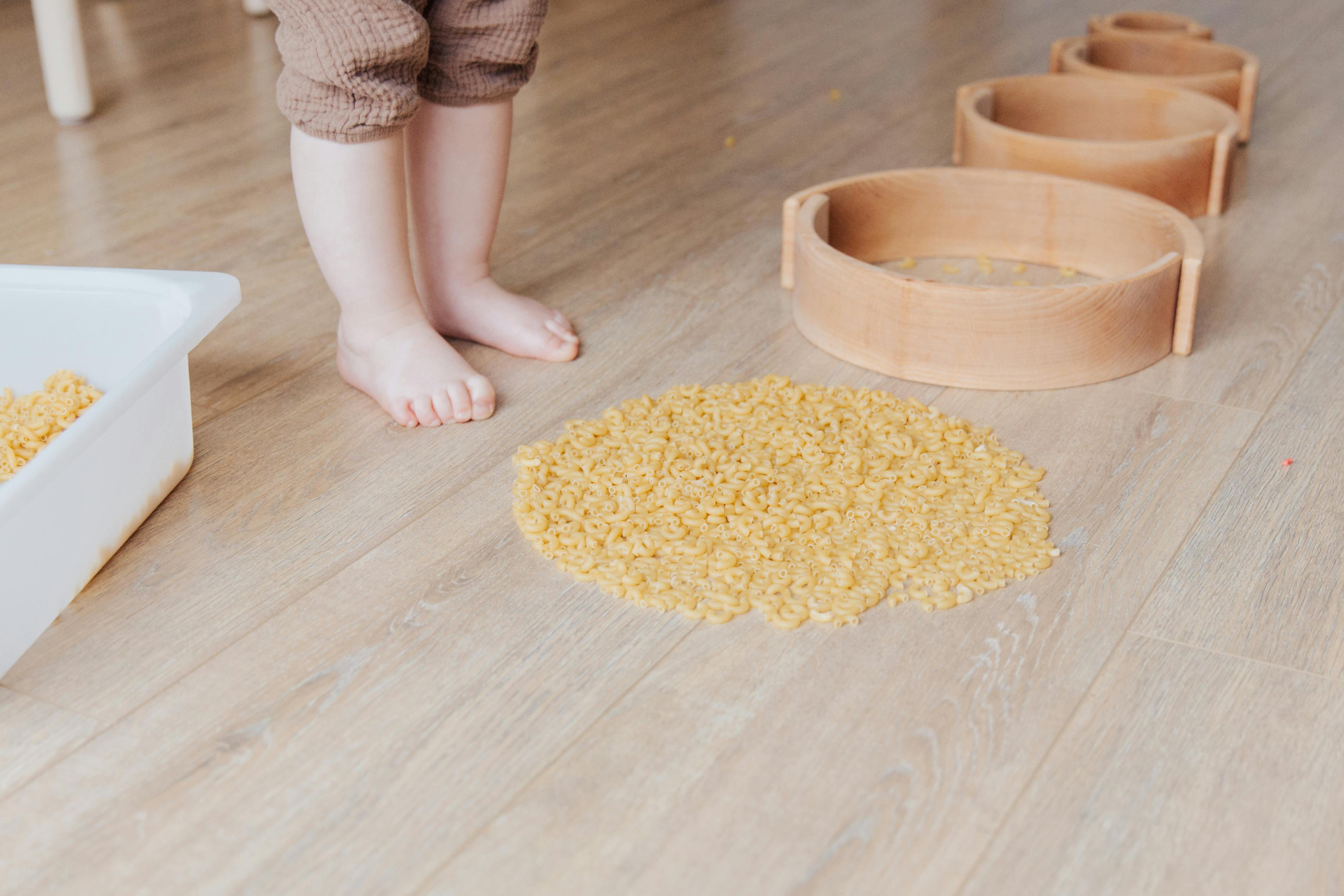
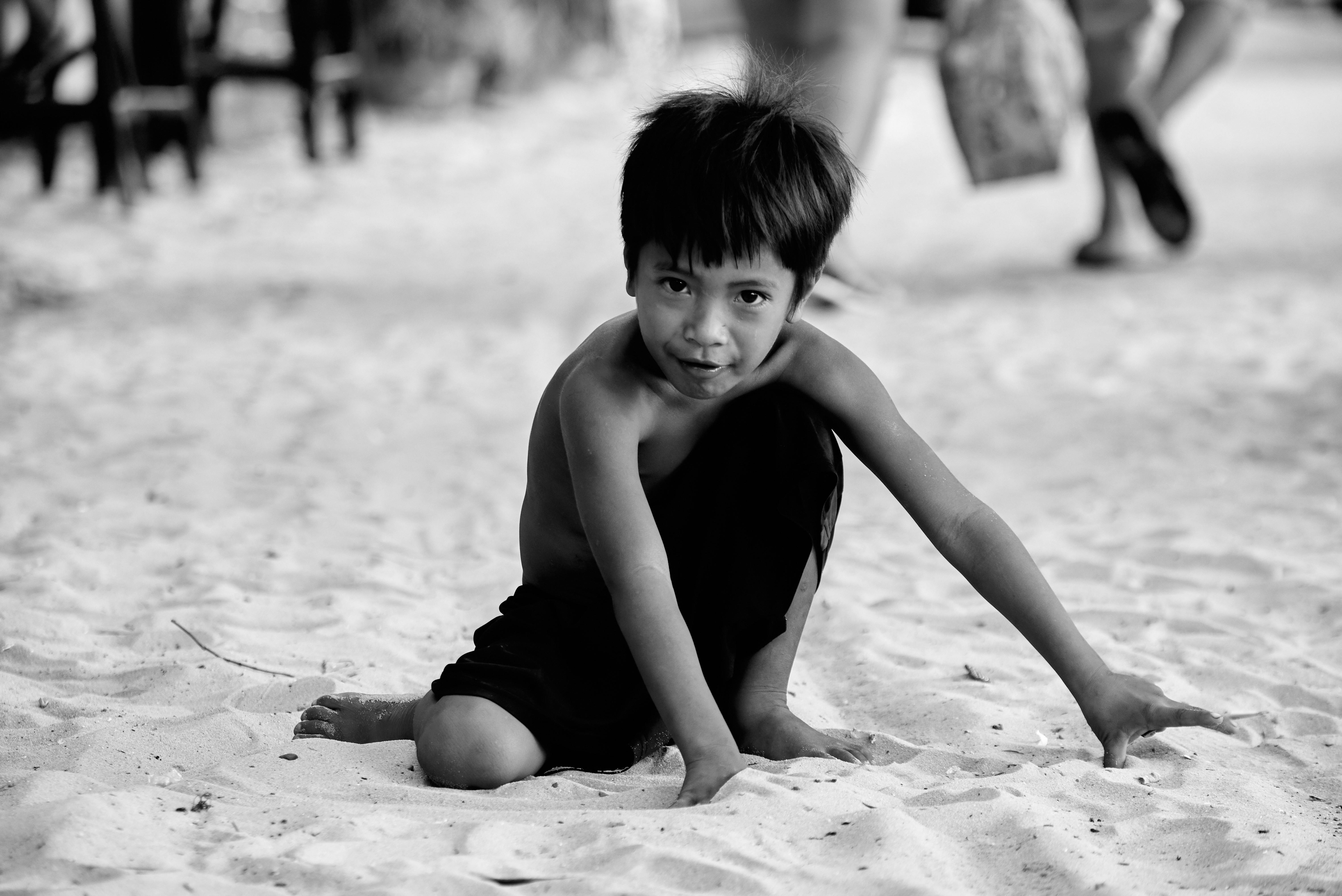
Age-appropriate movement activities for babies, toddlers, and preschoolers range from foot games while lying down and crawling, to support while pulling themselves up and standing independently with a firm hand, to barefoot crossings along low obstacles, balance exercises, and jumping challenges. These activities engage the intrinsic foot muscles, sharpen proprioception, and improve balance because the child actively controls their position, arches, and weight distribution. Create barefoot-friendly zones with diverse, safe surfaces such as smooth wood, short grass, sand, or soft mats, and regularly check for sharp objects to make barefoot periods a playful part of everyday life.
Choose shoes with a wide toe box, flexible, thin sole, ample room at the front, and a soft yet supportive heel area. A simple test is to place a finger on the edge of the toes to check forefoot freedom. Hard, overly cushioned, or tight-fitting shoes alter foot muscles and gait because they suppress natural foot movement and sensory feedback. Exercises such as toe-grasping games with fabric pieces, barefoot obstacle courses using cushions and boards, heel-toe walking, and water and sand play activate grip strength, foot coordination, gait control, and tactile perception, thus training motor skills directly through play. Watch for persistent abnormalities such as limping on one side, pain while walking, an unusual gait pattern, or limited toe mobility. If necessary, test with a wet footprint to assess the arch of the foot, and if problems persist, consult your pediatrician or a pediatric physiotherapist.
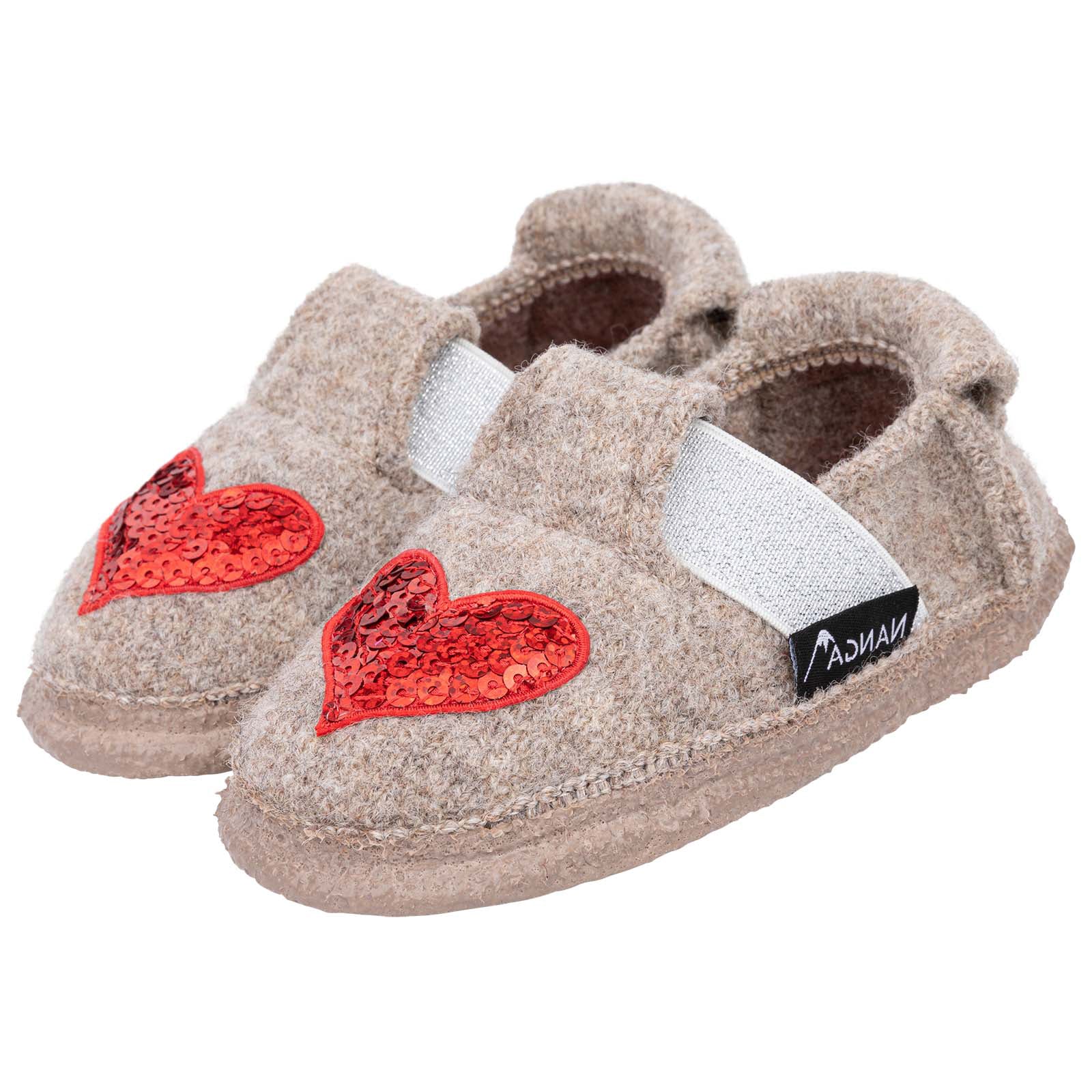
Non-slip wool shoes allow for barefoot-like indoor play.

They recommend barefoot walking for strength, balance, and natural foot shape
An age-appropriate weekly plan combines simple exercises that gradually increase in difficulty: for babies, tummy time with different textures under their feet, supported standing with a steady hand; for toddlers, walking and balancing exercises on soft and firm surfaces; for preschoolers, one-legged games, hopping, and coordination tasks. Parents can make each exercise progressively more challenging by varying the surfaces, reducing support aids, or incorporating cognitive goal-setting games, thus observing visible progress such as longer periods of balance or increased toe spreading. Before each barefoot walk, simple safety checks should be performed, such as a visual inspection for foreign objects, checking the temperature of the surface, and assessing whether protective shoes are necessary.
Different surfaces such as grass, sand, fine pebbles, wooden floors, and soft mats stimulate the soles of the feet in different ways, promoting sensory adaptation, strength development, and a natural foot shape. Gradually introducing children to rougher or unstable surfaces increases the challenge slowly, and the child should be regularly checked for redness, signs of pain, or unusual foot strike patterns. If necessary, shoes with flexible soles, a wide toe box, and thin soles should be chosen to maintain ground feel and freedom of movement. A modular approach consisting of mobilization exercises, free barefoot play, targeted balance and jumping tasks, and concluding foot care allows for systematic progression and provides measurable observations, such as balancing on one leg without support or symmetrical foot strike, which indicates stronger foot muscles.
Features a flexible sole, wide toe box, and natural materials
Set age-appropriate exercise goals and milestones.
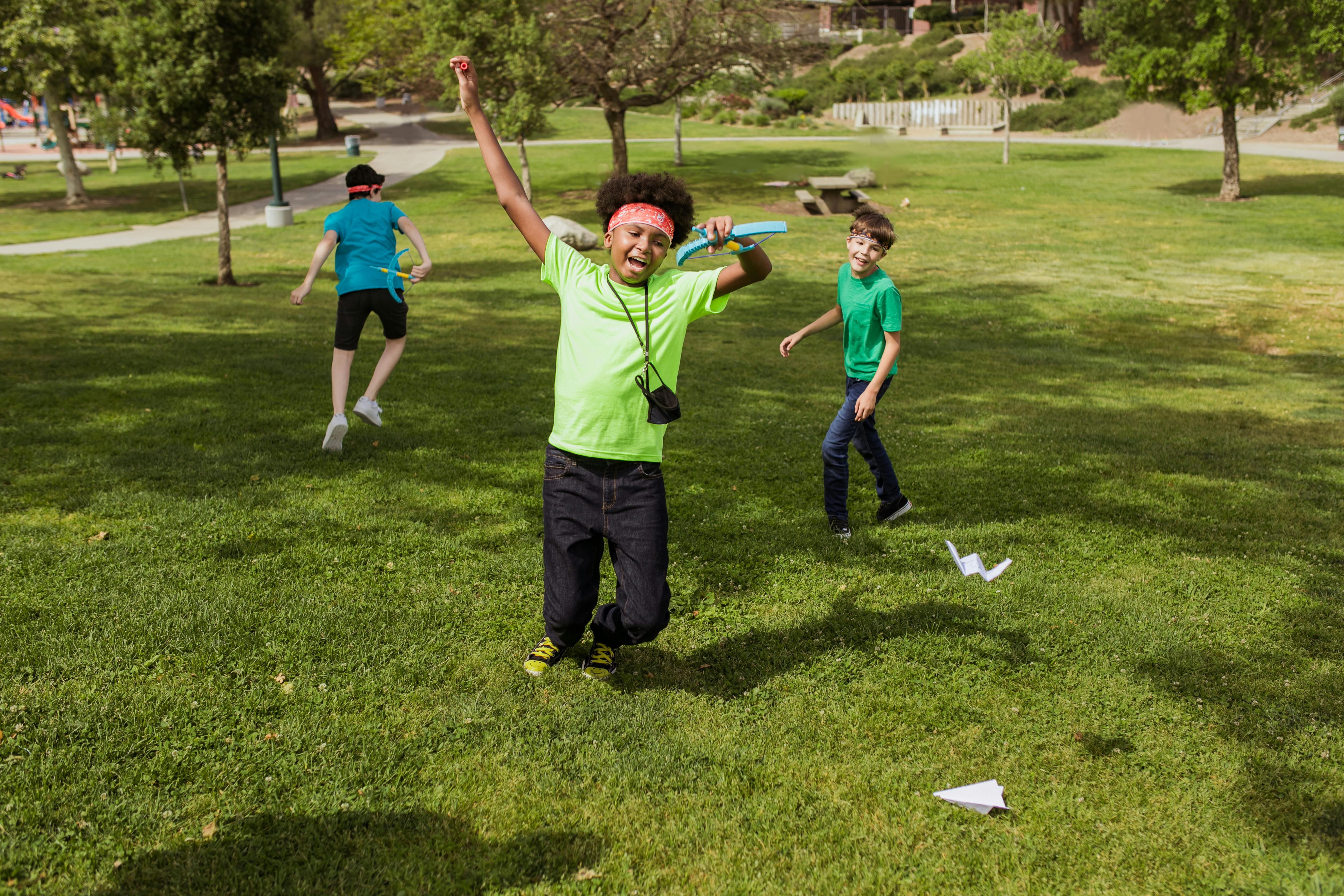
Formulate age-appropriate milestones for babies, toddlers, and preschoolers as visible criteria, such as stable head control and targeted grasping for babies, independent walking and climbing stairs with support for toddlers, and standing on one leg and coordinated ball games for preschoolers. Specify measurable goals, for example, a certain number of steps without assistance, three consecutive hops on both feet, or balancing safely over a low curb, and document progress with photos, short videos, or a simple checklist. Such observations make developmental stages transparent, facilitate targeted adjustments, and provide evidence for further assessments.
Integrate movement into games such as imitation and tag games or low-challenge obstacle courses, and increase the difficulty by varying surfaces, adding small stability requirements, or incorporating fine motor tasks. Utilize barefoot periods on varied, soft, and firm surfaces, observe toe position, gait, and arch development, and avoid tight or highly supportive shoes during exercise sessions. Adapt tasks to the individual's starting level, offer support or increase the challenge, and record simple measurements to track progress or stagnation. Seek professional help if pain, pronounced limping, asymmetrical weight-bearing, or persistent stagnation occurs despite appropriate support.
- Define age-appropriate, measurable milestones: for babies, stable head support and targeted grasping in several out of five attempts, controlled rolling; for toddlers, independent walking for at least ten steps without help and climbing stairs with slight support; for preschool children, three consecutive hops on each leg, secure one-legged standing for several attempts, and coordinated ball games with targeted throwing and catching.
- Use simple documentation templates: photograph or film short sequences (start, interim status, progress), keep a checklist with goal, number of attempts, success/failure and level of support, and note specific measurements such as number of steps, number of jumps, or balance distance to make development visible and comparable.
- Integrate age-appropriate games and obstacle courses: imitation and tag games, balance courses with soft and firm surfaces, stepping stone passages or low obstacles, and barefoot phases on soft and firm surfaces; increase the difficulty through uneven surfaces, changing surfaces, or additional fine motor tasks such as carrying objects.
- Adapt exercises individually and pay attention to safety: offer support gradually, reduce assistance as progress is made, ensure a safe environment with a soft surface to prevent falls, avoid tight or highly supported shoes during exercise phases, and observe foot mechanics (toe position, rolling motion, arch of the foot).
- Recognize warning signs and take targeted action: document and interrupt exercises in case of pain, noticeable limping, asymmetrical stress, or persistent stagnation despite adjustments; seek professional clarification from a pediatrician or physiotherapist if problems persist, and submit the collected photos, videos, and checklists as evidence.
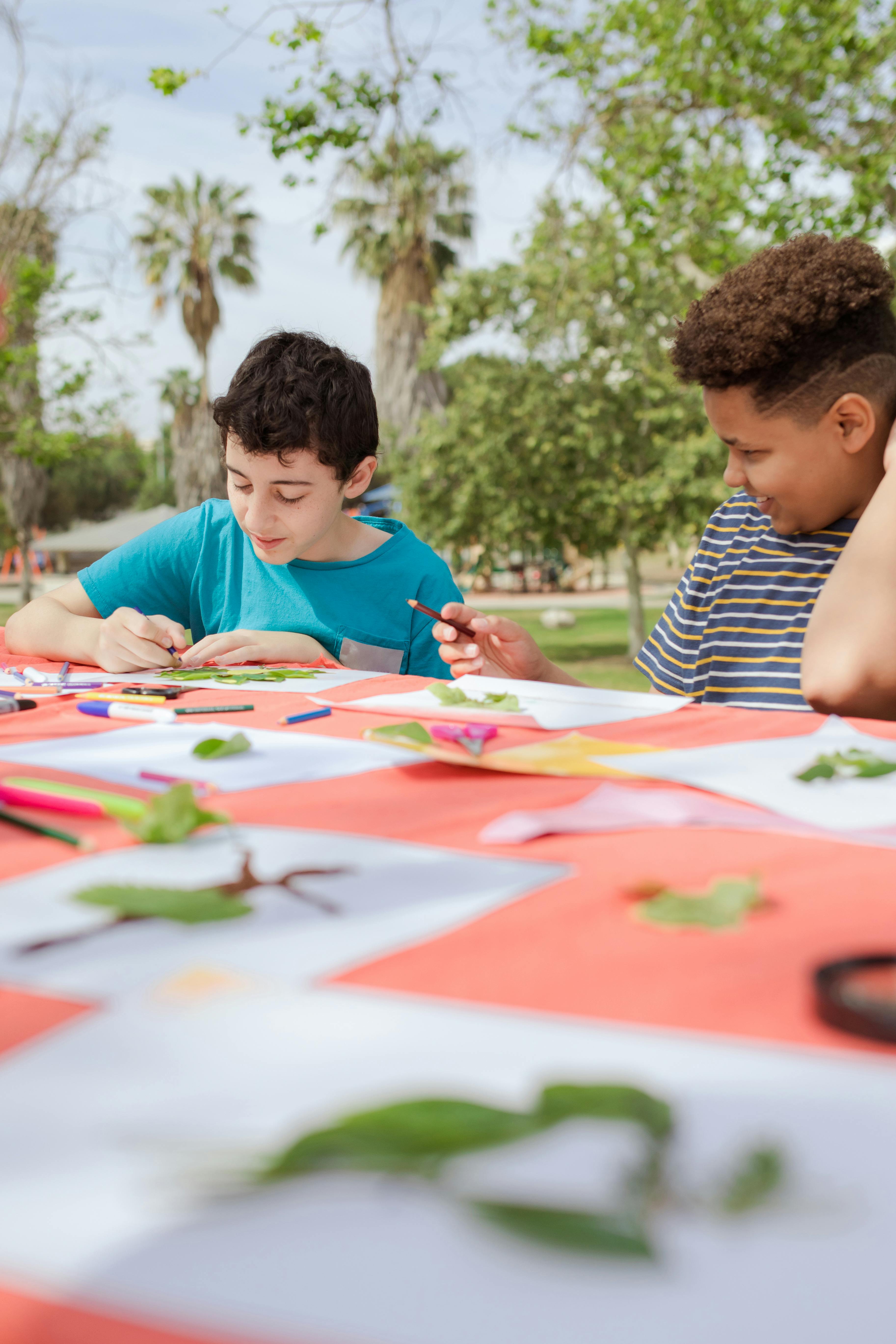
Plan your weekly schedule with daily rhythm and activity ideas.
The weekly schedule outlines age-appropriate daily rhythms with clear wake-activity-sleep cycles, defined active movement windows, and calming phases. It explains typical signals of tiredness, overstimulation, and hunger, allowing caregivers to flexibly adapt the schedule. It identifies observational indicators such as averted gaze, changes in muscle tone, and decreasing interest in play, and provides concrete suggestions on how individual activities should be shortened, calmed, or rescheduled. For barefoot activities, the schedule includes a checklist for safe surfaces, diverse textures, freely accessible climbing and balance features, non-slip zones, and simple hygiene routines. It explains how barefoot walking promotes foot awareness and motor development and suggests materials such as wood, carpet, grass, and gravel surfaces for supervised exploration.
The weekly plan offers weekly themes with specific activity ideas for each age group: Babies receive sensory time on the floor and tummy time with foot contact; toddlers are encouraged through free climbing, balancing, and ball games; and preschoolers practice targeted running and rhythm games that can be systematically made more challenging. Practical transition rituals such as short movement sequences before bedtime, after meals, and when moving from indoors to outdoors, simple sing-along songs, and movement activities during tidying up support attention regulation and improve sleep readiness. Finally, the plan describes simple observation indicators such as improved standing stability, longer periods of balancing, and varied grasping patterns, provides a short log format for recording favorite activities and reactions, and specifies criteria for when activities should be reduced, such as in case of illness or fatigue.
Non-slip, lightweight organic cotton socks for daycare and home.

Ensure safety, appropriate foot protection, and adaptation to the environment.
Before every change of footwear or shoes, caregivers conduct a brief safety check: scan the room for sharp or small objects, check the floor for slippery spots, cover any hard edges, and test the surface temperature. Select footwear according to the child's developmental stage: soft, flexible soles and firm heel support for toddlers learning to walk, minimally textured soles for active toddlers, and non-slip socks or lightweight shoes on smooth floors. Observe for signs such as changes in crying behavior, limping, redness, or persistent pulling of the foot; reduce pressure and check the fit; and seek professional advice if any abnormalities persist.
Establish safe barefoot zones by offering a variety of tactile surfaces indoors, such as wood, carpet, grass, and sand, and creating gradual transitions to outdoor areas. Begin with short, supervised sessions and gradually increase exposure to specifically promote foot muscle development and balance. Maintain hygiene by thoroughly cleaning and drying feet and shoes, properly trimming toenails, and regularly airing shoes. Document observations of foot development and keep spare pairs of shoes on hand so that adjustments to protection and the environment can be implemented quickly.