Playdates with children often mean a lot of fun, but also unnecessary single-use waste and additional stress for parents. How can you create a relaxed playdate that combines safety, play, and waste reduction?
This article provides a compact zero-waste packing list, tips on practical clothing and safe footwear, instructions for plastic-free snacks in reusable containers, and simple games without packaging waste. This way, you stay organized, promote playful learning, and reduce waste without compromising on fun.

Reduce waste, promote playful learning
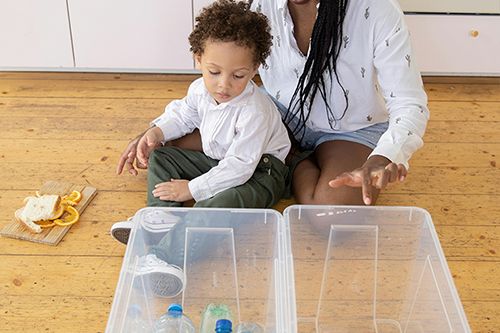
A reusable snack set with individual snack containers, a water bottle, durable cutlery, and a cloth napkin as a placemat replaces single-use packaging and simplifies cleanup while children learn to care for their own dishes. Washable hygiene items such as cloth wipes, a small hand towel, and a soap dish should also be included. A waterproof wet bag catches soiled clothes; turn it inside out, wash it with similar fabrics, and let everything air dry. A brief instruction leaflet on use and proper cleaning helps parents with the cleanup.
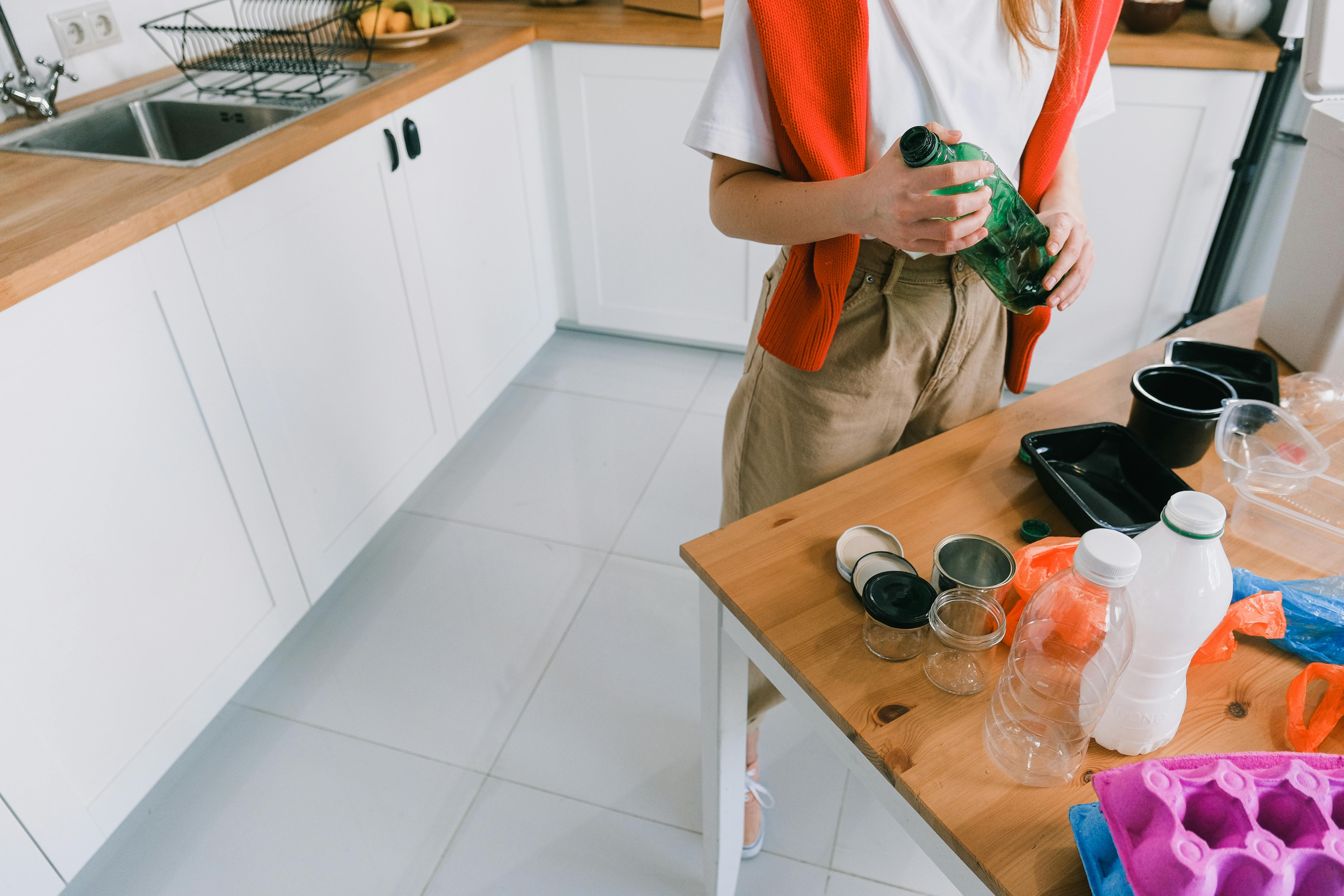
Please ask each family to bring a small, durable toy to share and provide a coordinated set of shared toys. Establish clear rules for cleaning and returning toys to reduce the need for new purchases and promote social skills. A zero-waste craft kit with refillable pens and brushes, scrap paper, and collected natural materials will provide creative activities, with leftovers planned to be compostable or storable. For waste management, bring a clear sorting bag labeled for general waste, recyclables, and organic waste, along with a small compost bin. Include a short matching game for children and provide a card with host rules, allergy information, and return policy.
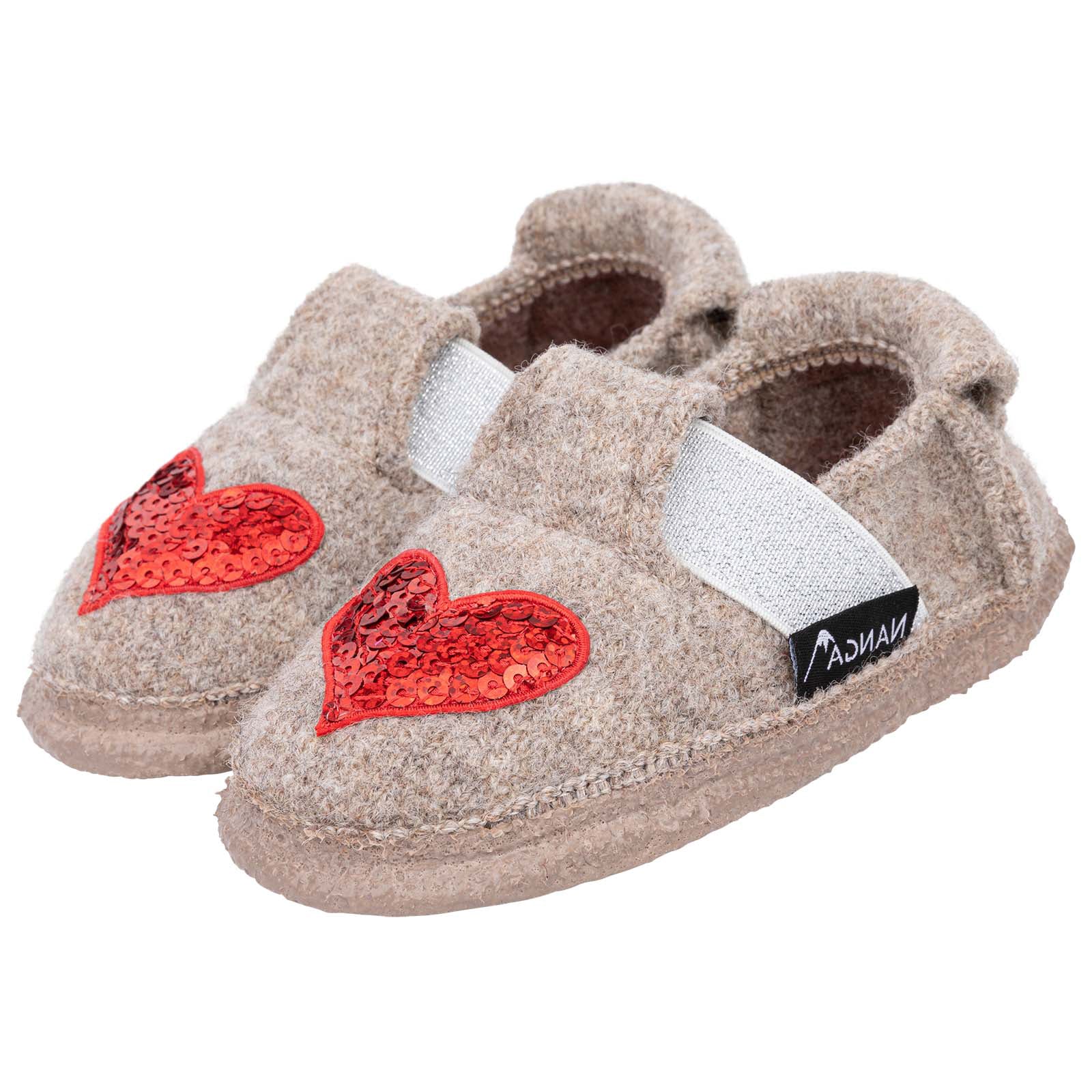
Choose easily washable children's shoes made from natural materials for daycare and playtime.

Choose practical clothing and safe shoes
Choose durable clothing made from natural fibers that are easy to wash, mend, and compost, as these materials reduce waste because fewer items need to be prematurely discarded. Opt for adjustable, multi-purpose pieces like trousers with cuffs, shirts with room to grow, or jackets with detachable hoods that can accommodate multiple seasons and activities. Check seams, zippers, and soles before heading out, and pack materials for minor repairs so individual items can be quickly fixed and last longer.
Pack at least one complete change of clothes in a reusable bag, including socks, underwear, and an extra top, so that wet or heavily soiled items can be replaced immediately. Choose shoes with non-slip soles, closed toes, and a smooth, easy-to-wipe surface to reduce the risk of injury and avoid having to throw away dirty shoes. Prioritize secondhand or clothing swaps, as inspected pre-owned items extend the overall lifespan of clothing without requiring additional production. Keeping small repair tools and spare buttons in the bag allows for quick fixes on the spot and prevents unnecessary clothing waste.
Choose non-slip wool shoes; they are warm, breathable, and easy to clean.

Put together a compact zero-waste packing list.
Pack a sturdy, leak-proof water bottle, clearly labeled with names, and fill it before the playdate; encourage refills, as a reusable bottle replaces many single-use bottles and reduces waste on-site. Include a compact, easy-to-clean lunchbox for individual portions, plus a cloth napkin or washable towel to avoid single-use packaging. Wash these items after the playdate for quick reuse.
Pack a small set of versatile, durable toys, such as building blocks, card games, and art supplies, so that a few items can be used for multiple games and the risk of losing toys is reduced. A compact, washable picnic blanket or a foldable seat cushion protects clothing and the ground and is easy to clean after use. Put together a practical hygiene kit with a cloth handkerchief, reusable cloth wipe alternatives, and a small repair kit with plasters, a needle, and thread. This way, spills and minor damage can be fixed without disposable materials, and cleanup remains stress-free.
- Reusable Essentials & Portion Management: Pack a sturdy, leak-proof water bottle, clearly labeled with names, fill it before the meeting, and encourage refills; add sealable containers in multiple sizes, writable portion containers, a washable cloth napkin, and a compact, foldable cutlery set to avoid single-use packaging and facilitate sharing.
- Versatile toys & activity ideas: Choose a few, robust items with a wide range of variations, such as building blocks, card games, a small painting set, and collecting games; store everything in a clearly organized bag to reduce the risk of loss and keep several children occupied with minimal materials.
- Hygiene, repair & care on the go: Pack a hygiene kit with
Pack fabric handkerchiefs, reusable fabric wet wipe alternatives, a stain remover pen, and a small emergency kit containing plasters, needle and thread; store soiled items in a waterproof bag, clean and wash the items after the meeting for quick reuse.
Prepare plastic-free snacks in reusable containers.
Choose airtight, plastic-free containers: glass for flavor-neutral storage, stainless steel for durability, and silicone for flexible, collapsible bags. Look for lids with a reliable seal, as non-porous materials absorb fewer odors and can be hygienically cleaned with hot water. Pack finger-friendly, long-lasting snacks that can be transported without single-use packaging, such as pieces of fruit, veggie sticks with a separate dip, nuts and seeds, cheese cubes, and homemade oatmeal cookies. Portion food into several small containers instead of one large one, and label contents and potential allergens with reusable labels or wipeable markers to minimize waste and make selection easier.
Keep moist items separate; pack dips and spreads in small screw-top jars or tightly sealed individual containers, and store dry snacks in airtight containers. Use an insulated bag or a reusable ice pack for highly perishable foods. Optimized cleaning extends the lifespan: disassemble lids before washing, check and clean seals with a small brush, dry thoroughly, and rotate containers regularly, as well-maintained containers reduce odor and cross-contamination.
Breathable headwear provides protection during a cold walk with provisions.

Organize simple games without packaging waste
Prepare a nature treasure hunt with reusable maps and fabric bags labeled with easily found items like leaves, stones, and feathers, and establish clear rules for protecting living plants. Use movement games that require no materials, such as "Simon Says," "Dance Freeze," or relay races that can be adapted to different spaces and age groups, and which strengthen balance, reaction time, and stamina. Additionally, set up a craft station with fabric scraps, refillable pens, clothespins, and small jars for sorting, and combine craft projects with found objects from nature to practically promote problem-solving skills and resource conservation.
Plan a shared snacking experience using reusable containers, cloth napkins, and reusable tableware, and incorporate games like picnic bingo or taste-guessing to playfully practice sharing and table manners. For an upcycling mini-project, collect cardboard tubes, egg cartons, and fabric scraps from around the house and demonstrate simple steps for assembling, painting, or knotting them. Offer project steps rather than complete kits and let the children create their own rules for their creations to develop creative thinking and a sense of responsibility. All of these activities can be adapted for indoor or outdoor settings and replace single-use packaging with reusable alternatives, reducing packaging waste and giving children practical knowledge about sustainability.
A well-prepared zero-waste playdate combines safe clothing, plastic-free snacks, reusable utensils, and simple games, ensuring fun and hygiene while significantly reducing waste. Practical packing lists, durable materials, and clear rules facilitate preparation and cleanup, and children develop independence and social skills.
Use the checklist for clothing, snack containers, toiletries, and game ideas as a starting point, adapt it to the age and setting, and test a compact selection at a meeting. This way you'll see how a few carefully chosen items can ensure a high-quality game, simplify follow-up, and motivate children to bring or share.