
Many people, especially children and older adults, experience weak foot muscles and an unsteady sense of balance. Can measurable improvements be achieved with short, playful music and movement exercises?
This article shows which foot muscles are crucial for development and everyday life, how music and movement specifically strengthen sensorimotor skills, and how to create a safe environment. You will receive concrete short games, tips for variation and progression, and simple ways to measure progress and integrate it directly into everyday life.

Understand foot muscles and their importance for development and everyday life
The foot muscles are divided into intrinsic muscles, such as the abductor hallucis and flexor digitorum brevis, which stabilize the longitudinal and transverse arches, and extrinsic muscles, such as the tibialis anterior, tibialis posterior, and peroneal muscles, which control dorsiflexion, plantarflexion, inversion, and eversion. Short musical and movement games specifically target these groups: toe-picking and toe-gripping games activate the intrinsic muscles and support the arch, rhythmic hops train the plantar flexors for a more powerful push-off, and balance games engage the peroneus and tibialis posterior for ankle and lateral stability. Physiologically, stronger foot muscles improve arch stability, increase power transmission during push-off, and refine plantar sensation, resulting in a more stable single-leg stance, less frequent midfoot pronation, and faster corrective movements after lateral disturbances. Short, playful stimuli enhance sensorimotor networking in childhood, promote the development of strong arches, and can be supported in a way that is relevant to everyday life through age-appropriate progression and barefoot contact on varying surfaces.
Simple tests such as standing on one leg while changing direction, several consecutive heel raises, toe spreading followed by picking up an object, and a dynamic tandem gait provide easily observable indicators of strength and coordination. Documenting these findings as a baseline allows progress to be directly transferred to everyday situations like climbing stairs, running, and changing direction through short music or movement games such as balance exercises for ankle stability, toe-gripping games for arch support, and rhythmic hops for push-off. Stronger feet relieve stress on the knees and hips, improve efficiency in running and changing direction movements, and thus measurably reduce the risk of falls and peak loads during movement.
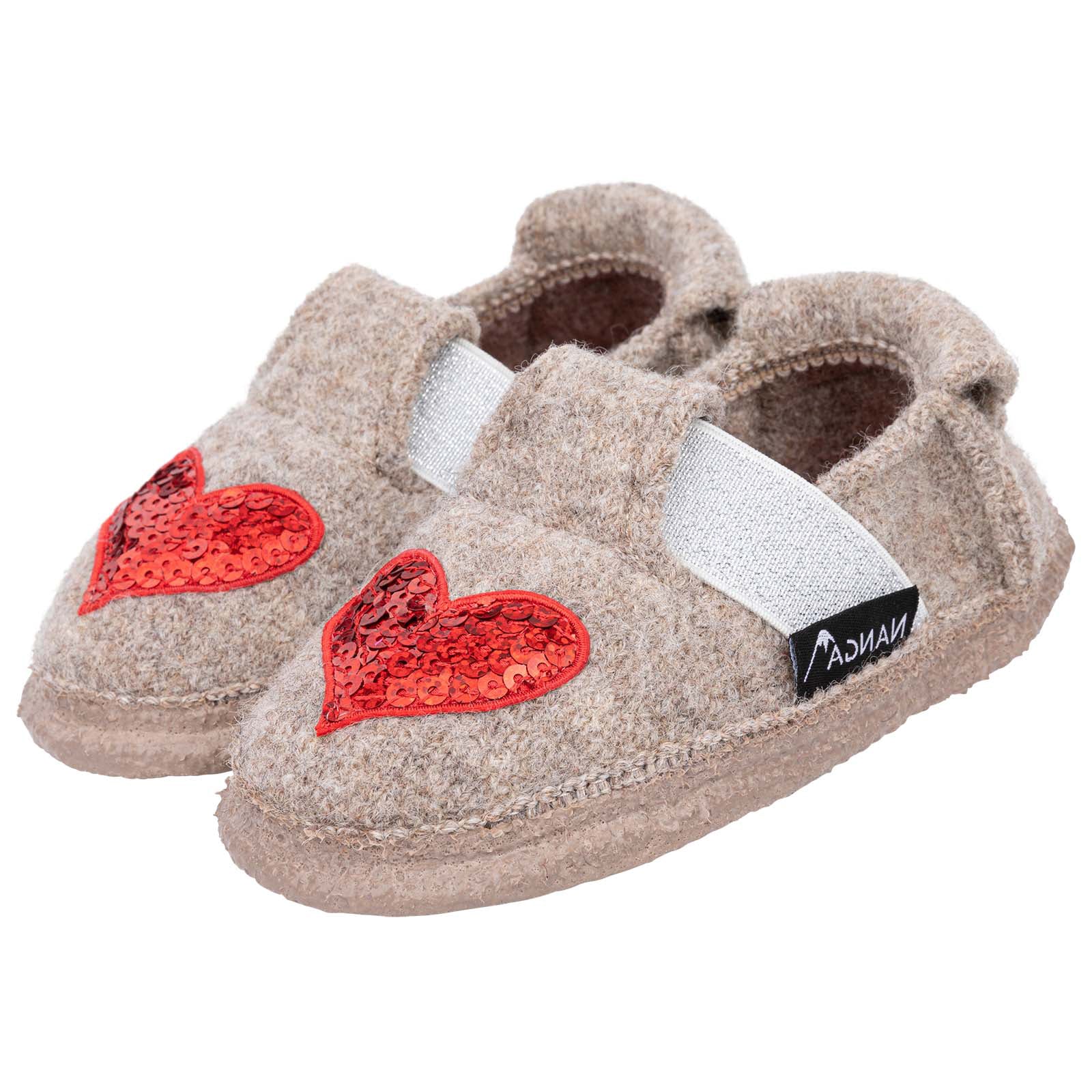
Strengthen the arch of your foot with flexible, non-slip cotton socks.

Use music and movement for sensory and neuromuscular strengthening
Rhythmic music acts as an auditory timekeeper, synchronizing motor activation so that repeated toe flexions and small weight shifts specifically activate the intrinsic foot muscles and train the timing of force development. Varying surfaces and targeted head or eye movements increase proprioceptive feedback and encourage automatic righting reflexes, thereby sharpening sensory-neuromuscular loops. Short, repetitive games such as rhythmic standing with changes in tempo, toe picking to music, or a short relay race with single-leg stops establish precise target movements, allow for easy progressions from two-legged to one-legged movements, and promote rapid neural adaptation through regular, measured repetitions.
Progression follows logical steps: first with both feet, then one leg, followed by dual tasks with arithmetic problems or changes in gaze direction, and finally sensory challenges such as a soft surface or closing the eyes. Decision-making guidelines are based on safety, stability, and freedom from pain; in case of significant instability, the practitioner remains at the previous level or receives assistance. Measurable improvements are visibly evident through more stable foot positioning, reduced compensatory movements, longer periods of standing on one leg, more precise toe grasping, and smoother step sequences to music. Safe environments, clearly defined standing areas, and support measures in case of uncertainty, as well as easy integration into daily life through short breaks or family games, ensure consistency and reduce risks, while acute pain, unexplained sensory disturbances, or recent fractures are considered contraindications.
Non-slip cotton stabilizes the foot and promotes balance.
Ensure a safe space and proper preparation
Before each game session, conduct a quick room check: remove loose rugs, cables, and toys, and test the slip resistance barefoot by taking a short step and shifting your weight in a controlled manner. Smooth or uneven surfaces increase the risk of injury and dampen plantar feedback. Mark out a clearly visible movement zone for each person using tape, fabric, or floor markers, and maintain sufficient distance from furniture, walls, and other players to reduce collisions and uncontrolled evasive movements. This ensures a clear view of all participants, facilitating observation and timely intervention in case of any uncertainties.
Choose surfaces and footwear carefully: start on clean, firm ground and gradually increase the sensory challenge using low-pile carpet, grass, or soft padding, allowing flexible socks or light shoes when needed and encouraging barefoot walking in safe environments. Implement simple safety measures, pad sharp edges, secure loose objects, and establish a clear start/stop signal to reduce the risk of falls and allow caregivers to respond quickly. Briefly prepare with foot and ankle mobilization exercises, demonstrate each exercise, and agree on age-appropriate variations, paying close attention to excessive pronation or asymmetry. Document progress with simple metrics such as stable single-leg stance, error-free repetitions, and observed improvements in stability.
- Quick on-site safety checklist: Remove loose carpets, cables and toys, mark out a movement zone for each person with tape or floor markers, test the slip resistance barefoot by taking a short step with controlled weight shifting, and agree on a clear start-stop signal so that all involved can recognize hazards early and react immediately.
- Progressions and adjustments according to age and ability: Start on clean, firm ground, increase the sensory challenge via low-pile carpet to grass or soft padding, and adjust footwear and exercise variations (e.g. supported single-leg stance, shorter distances, reduced speed) so that each increase remains controllable and individually achievable.
- Observe, intervene and document simply: Pay attention to warning signs such as repeated buckling, clear asymmetries, or unsteady evasion; interrupt the exercise in case of pain or persistent instability; document progress with measurable metrics such as single-leg stance duration, number of error-free repetitions, and brief notes on abnormalities.

Create short music and movement games and vary them.
Rhythmic short sequences activate the intrinsic foot muscles, the Achilles tendon, the plantar fascia, and the plantar receptors, thereby increasing peripheral strength and sensory feedback. This proprioceptive feedback sharpens postural reflexes and promotes rapid adaptation to balance disturbances. Repeated, short sequences solidify neural control patterns, improving stability and foot strength. Practical games such as alternating toe and heel walking to music, tapping out a beat on one leg with arm movements, short hopping sequences, and changes in tempo train precisely these mechanisms.
Further progressions increase complexity rather than duration, for example, speed, changes of direction, range of motion, or additional cognitive tasks. Barefoot exercises, different surfaces, and partner or group variations promote transferability to everyday life and fall prevention. Progress can be easily measured by standing on one leg with eyes open and closed, observing foot position and knee alignment, as well as by step count or distance tests. Ensure soft surfaces, offer assistance at the beginning, increase intensity gradually, stop if pain occurs, and seek professional advice if instability persists or severe discomfort develops.
Barefoot feel, non-slip, supports balance and sensory exercises

Integrate games, increase difficulty, measure progress
Short, easy-to-implement games, such as switching between toe and heel stands to music, stepping along an imaginary line, or fist-to-toe coordination, specifically activate the arches of the feet, the intrinsic foot muscles, the toe flexors, and the shin muscles, generating visible muscle work through short repetitions. Trainers, parents, or those affected can systematically increase the difficulty by reducing the base of support, using unstable surfaces, adding cognitive stimuli such as reaction signals, increasing movement variability, or shortening rest periods, and specifying concrete adjustments for each stage. Single-leg stance with eyes open and closed, the number of controlled steps along a line, comparing footprints to assess arch height, and brief self-reports on fear of falling and everyday safety provide simple, objective baseline values and allow for progress documentation. Rhythmic signals improve timing and muscle activation, increased variability trains proprioception, and repeated short loads strengthen neural control, while cues such as upright body axis, pain-free work, appropriate footwear choice and gradual increase in load ensure safety.
Integrate the games into rites of passage, use music as start, stop, and tempo signals, and transform everyday objects into scalable versions so that micro-units can easily be implemented in groups, at school, or at home. Document baseline values in simple tables, repeat tests at regular intervals, and use the results to clearly explain progressions. Observe for signs of pain, choose to exercise barefoot or in appropriate footwear if necessary, and ensure stability on unstable surfaces so that exercises are effective, comprehensible, and safe.
Short, music-accompanied movement and balance games specifically activate intrinsic and extrinsic foot muscles, sharpen proprioceptive feedback, and thus improve stability and timing during push-off and corrective movements. Several small, controlled repetitions with age-appropriate progression lead to observable effects such as increased single-leg stance time, more precise toe grasping, and smoother gait patterns.
The elements described in the headings, such as safe room design, simple tests, and adaptable short games, provide a clear roadmap for documenting progress and minimizing risks. Start with a brief baseline test, integrate a short game into daily routines, and repeat the measurement regularly to identify concrete changes and make movement patterns safer.