Do modern shoes contribute to children developing less natural foot strength and experiencing more frequent balance problems? Walking barefoot can help address this, as natural stress trains muscles, bones, and the tactile perception of the foot.
In this article, I'll show you how to safely integrate barefoot walking into your family's everyday life, strengthen foot muscles and bones, improve balance and sensory perception, and reduce the risk of injury. You'll also find simple, playful exercises and safety rules that will motivate children and give parents peace of mind.
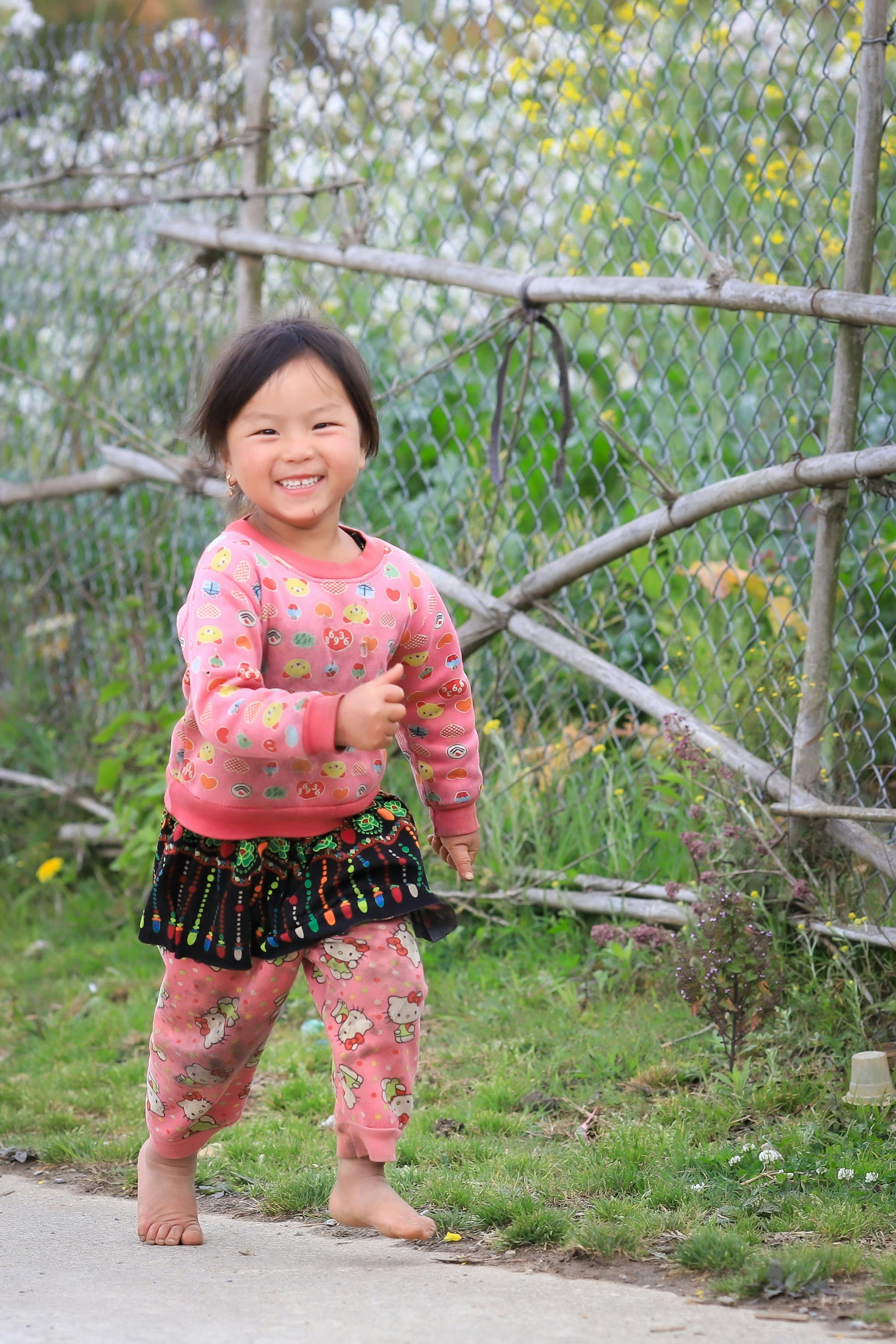
Make barefoot walking a part of children's everyday lives
Begin barefoot running in safe, soft environments like carpet or grass and gradually increase the intensity so that muscles, tendons, and gait can adapt without strain. Varying surfaces such as grass, sand, gravel, forest floor, or tactile mats stimulates plantar and proprioceptive sensations. Studies show that this variation improves balance and coordination when progress is made carefully.
Make barefoot time a playful part of your routine through rituals, obstacle courses, or balance exercises, as playful integration increases willingness and promotes muscle development. Regularly check paths for hazards, clean and disinfect minor abrasions, and trim nails to reduce the risk of infection and injury. On rough surfaces, thin foot coverings or barefoot-friendly protective shoes offer additional protection without significantly restricting natural foot function. Document persistent pain, asymmetrical gait, or pronounced limping, and discuss such observations early with pediatricians, physiotherapists, or podiatrists.
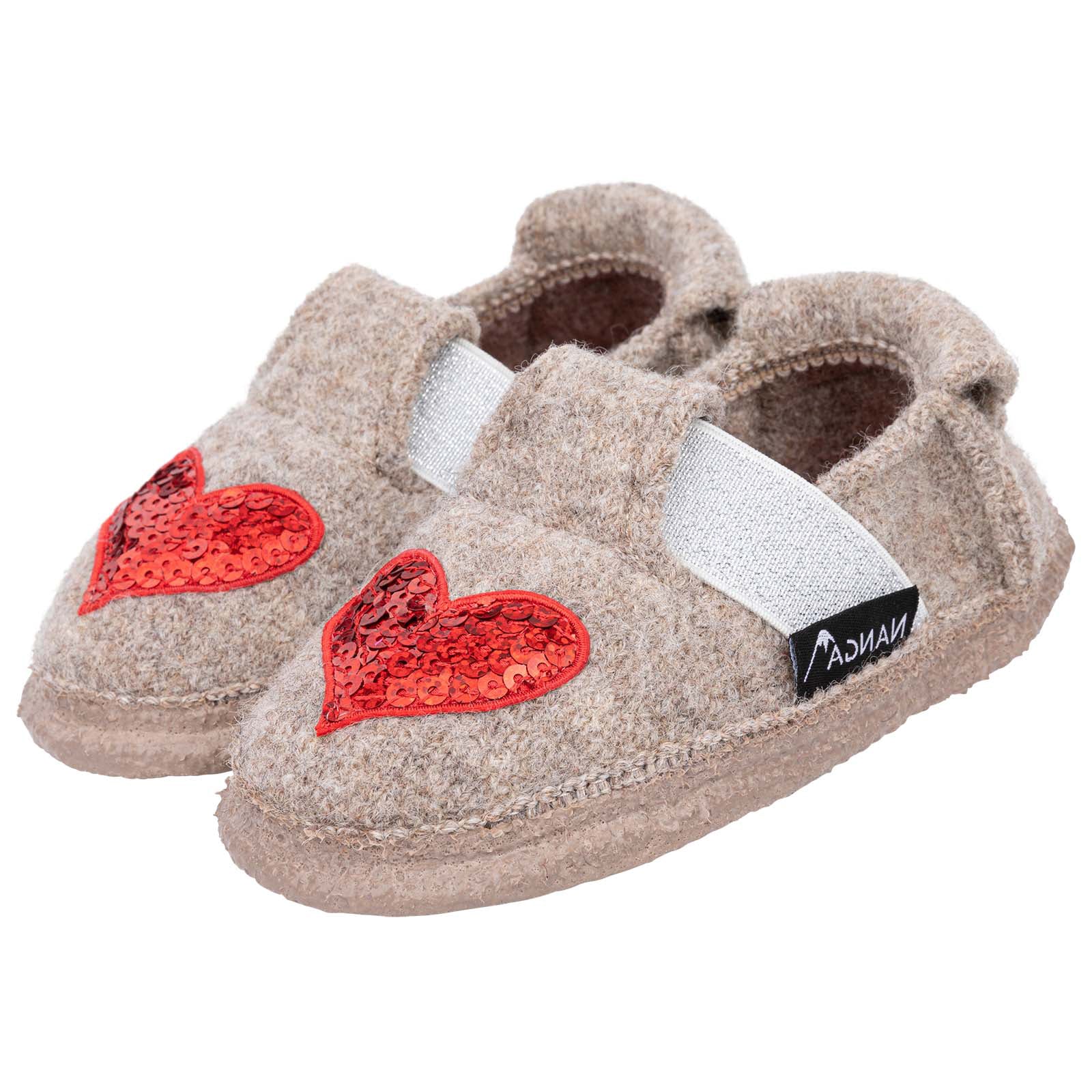
Gentle protection indoors: flexible, non-slip slippers for children's feet
Strengthen foot muscles and bones through natural stress
Start with very short, daily barefoot sessions and gradually increase the load. Bones and muscles respond to recurring, natural stresses and adapt when the load is increased slowly, reducing the risk of injury. Alternate between barefoot and your usual footwear, gradually increasing barefoot time, and schedule rest periods when muscles or joints tire. Supplement this adaptation with targeted exercises such as toe curls and toe grips, the short foot pose, single-leg stance variations, and barefoot calf raises. These activate the intrinsic foot muscles and strengthen arch stability. You can increase the difficulty by adding more repetitions, using unstable surfaces, or closing your eyes.
Train on surfaces with varying levels of safety, such as soft grass, firm sand, smooth indoor floors, and small pebbles, because different stimuli promote proprioception and stimulate local bone adaptation. Remove any potential hazards beforehand and ensure good visibility to maintain control while walking barefoot. Incorporate mobility routines like rolling over a ball, rotating your feet, and mobilizing your forefoot. Regularly care for your skin and nails to detect cracks, blisters, or pressure points early. Consult a doctor if you experience persistent, sharp pain, sensory disturbances, or circulatory problems. Individuals with diabetes or neuropathic conditions should undergo a professional evaluation before systematic barefoot training to avoid serious complications.
Comfortable slippers with a barefoot feel, ideal for home and daycare.
Train balance, coordination, and sensory perception
Walking barefoot increases stimulation of the soles of the feet, enhances sensory input to the brain, and activates the intrinsic foot muscles, demonstrably improving arch support and postural control. These physiological effects lead to fewer stumbles and allow for finer adjustments to varying surfaces. Parents and adults begin by standing barefoot for a few minutes on a soft, level surface, progressing to single-leg stance with a slight upper body turn, and adding dynamic tasks such as slow steps forward, sideways, and backward.
Five simple exercises support the development of proprioception: toe spreading and holding, towel gripping with the toes, single-leg calf raises, controlled barefoot squats, and balance reach, with short sets and quality being more important than speed. Meaningful variety promotes proprioception, for example, short barefoot walks on grass, sand, gravel, and wood, a course with textures, and games like balancing on a line or playing tag while standing on one leg. Check your feet before and after walking barefoot for cracks, blisters, redness, or swelling; avoid sharp, dirty, or extremely hot and cold surfaces; reduce stress if you have neuropathy or inflammation; and seek professional advice if you experience persistent discomfort.
- Progression plan, gradually increasing difficulty and load: start with short phases on soft, level ground, build up single-leg standing exercises, add controlled forward, side and backward steps, and finally integrate a course with different textures; focus on small sets and measure progress using specific balance tasks.
- Safety and precautionary measures as a checklist: check feet before and after training for cracks, blisters, redness, or swelling; choose clean, non-sharp, and moderately warm surfaces; and stop exercises if pain, numbness, or signs of inflammation occur; reduce the load or seek medical advice if neuropathy, diabetes, or chronic foot problems are known.
- Integration into everyday life and playful motivation strategies: anchor short balance tasks in daily routines, organize family barefoot walks over varying surfaces, and use simple games such as balancing on a line or catching variations while standing on one leg to promote regularity and enjoyment.
- Variation and measurability to promote sensory perception: deliberately switch between grass, sand, gravel, and wood; supplement the practice with exercises such as toe spreading, towel gripping, single-leg calf raises, and controlled squats without shoes; and record simple key figures such as balance stand times or error-free runs for objective control of training progress.
Reduce the risk of injury, promote foot health
Start gradually with barefoot running, increasing duration and distance in small increments, and pay attention to any pain or swelling. Stop if you experience persistent discomfort and have any numbness or unusual changes in your gait professionally evaluated. A slow increase gives muscles and tissue time to adapt and makes it easier to recognize signs of overuse early on.
Strengthen foot muscles and improve mobility with exercises such as toe curls, towel pulls, single-leg stances with eyes closed, arch activation, and mobility exercises for the ankle and toes. Stronger, more flexible structures distribute loads differently, increasing stability and reducing the risk of ankle sprains. Vary surfaces, such as grass, sand, forest floor, and firm ground, to train proprioception and identify weaknesses. For the transition, choose shoes with a wide toe box, flexible, thin sole, low heel-to-toe drop, and breathable materials. Optimize your posture by taking shorter steps and consciously landing on your midfoot. Use video analysis or professional advice if you experience asymmetries or recurring pain.
Smooth transition: Merino wool sneakers with a wide toe box and flexible sole.
Integrate safe, playful barefoot exercises into everyday life
Create barefoot-friendly zones in your home or garden, remove sharp objects, and check surfaces for slipperiness and dirt, as safe surfaces reduce the risk of acute injuries. Gradually increase the intensity with short, regularly repeated sessions, distinguish between muscle soreness and pain, and reduce or pause if discomfort persists to avoid overuse injuries. Incorporate playful everyday tasks such as balancing on a line, collecting items while tidying up, or creating an obstacle course with cushions and mats to promote motivation, balance, and coordination. Studies show that targeted exercises can strengthen the intrinsic foot muscles, improve proprioception, and reduce stress on the knees and back.
Combine toe spreads, heel raises, towel claws, foot mobilization, and single-leg stability exercises on varying surfaces to build strength and sensorimotor control. Regularly check your skin and nails, protect your feet from hot or dirty surfaces, and consult a doctor if you have diabetes, neuropathy, or significant foot deformities. This will minimize infections and injuries as you gradually develop stronger, better-functioning feet.