
A weekend trip with young nature explorers promises adventure, but can quickly become a burden if backpacks, equipment, and clothing aren't well-planned. How can weight, comfort, and environmental awareness be combined in a child-friendly packing list?
In ten concise points, I show how choosing a destination, a sustainable backpack, clever layering, weatherproof extras, appropriate footwear, eco-friendly snacks, exploration tools, first aid, and respectful nature routines combine to create a lightweight, safe, and educational weekend backpack. The tips are practical, easy to implement, and help make nature experiences safe, exciting, and sustainable for children.
1. Plan the destination, duration, and child-friendly route.
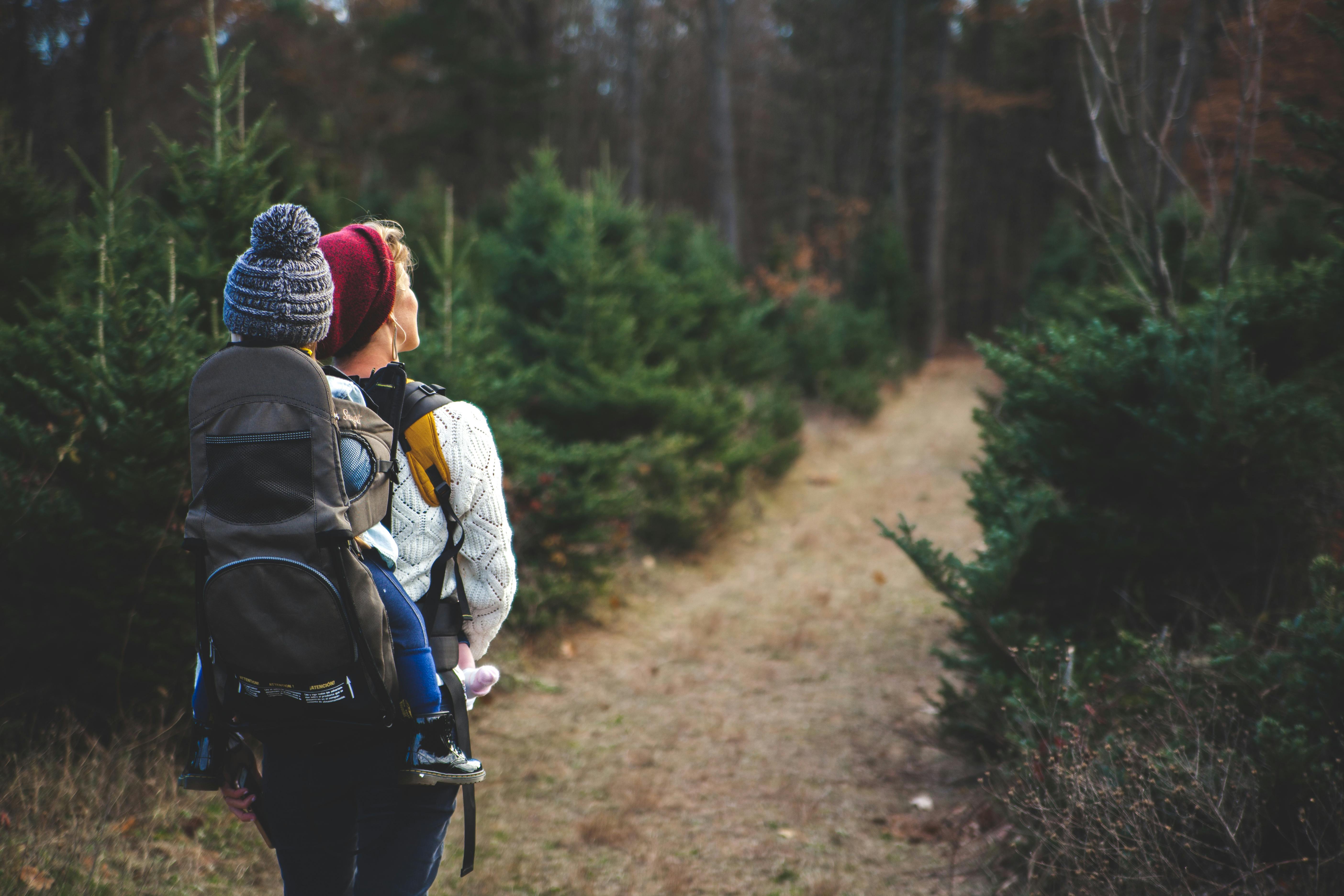
Choose your destination and terrain based on interest and effort, and use maps and elevation profiles to assess inclines and landmarks. Opt for loops or short out-and-back routes that touch on different habitats and offer natural attractions to keep children curious. Divide the route into child-friendly stages with clear intermediate goals, regular breaks, and plenty of time for exploration stops.
Carefully examine the trail conditions, marking loose ground, steep steps, or water crossings, and look for alternative routes if necessary. Deliberately incorporate moments of discovery, such as sensory stations, species lists, or a treasure hunt, as such tasks structure the day and maintain interest. Plan logistics and a safety net: identify two possible exit points, clarify entry and exit points, check cell phone reception, and inform a contact person of the route.
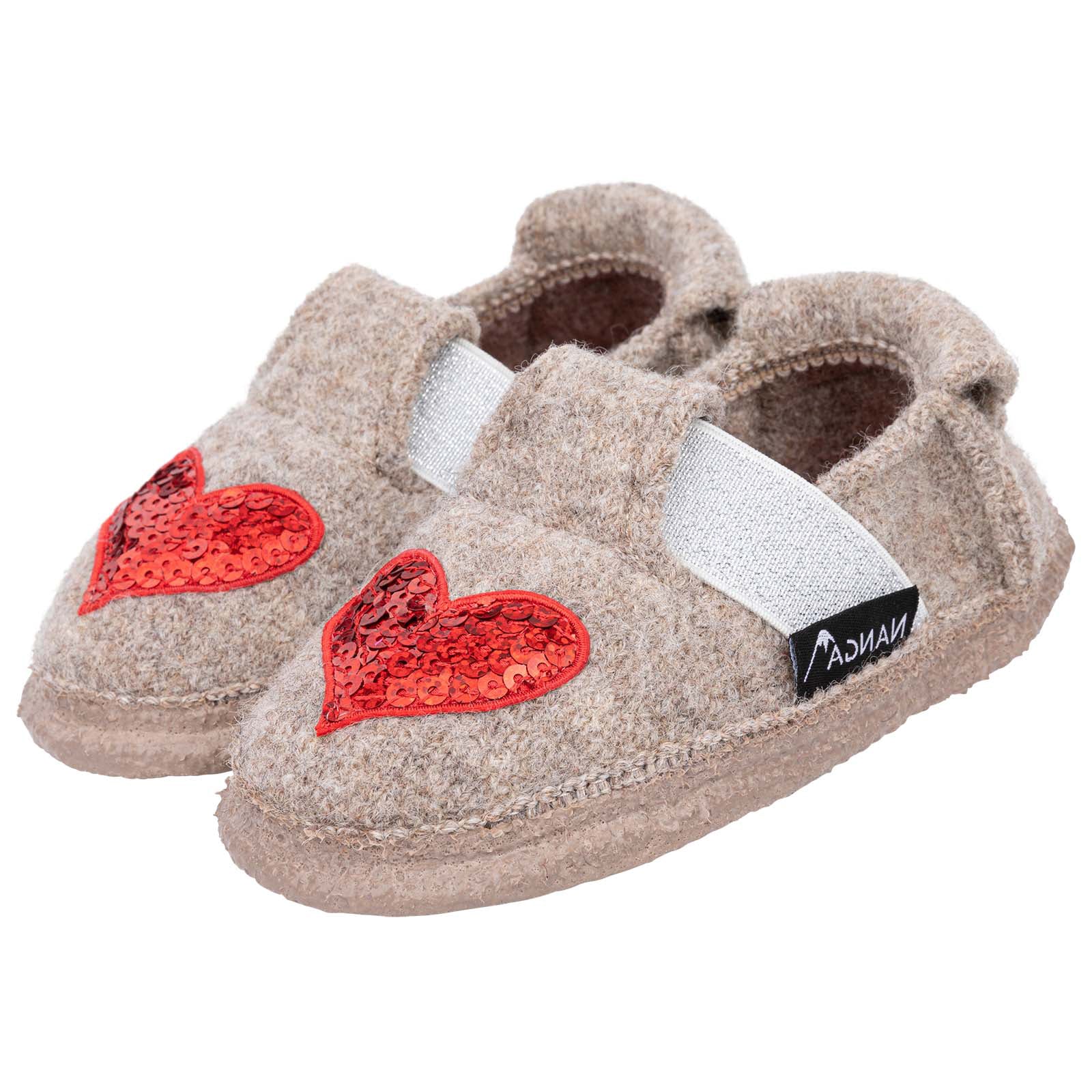
Comfortable merino sneakers for adventurous, child-friendly tours.

2. Choose a sustainable backpack
Choose materials with a low environmental footprint, such as recycled fabrics or organic cotton, and check if the waterproofing is PFC-free, as these options reduce raw material consumption and make disposal easier later on. The capacity should be appropriate for its purpose: a small weekend backpack offers space for a change of clothes, snacks, a water bottle, and a light rain jacket; anything too large often means unnecessary weight for children. Pay attention to ergonomic features such as adjustable shoulder straps, a chest strap, a padded back, and breathable materials, as these distribute the load more evenly and reduce strain.
Robust design and repairability extend the lifespan: reinforced seams, durable zippers, easily replaceable buckles, and readily accessible stitching reduce the need for replacements. Practical compartments and modularity enhance versatility; removable internal pouches, a separate wet compartment, external attachment points, and an integrated rain cover allow for diverse uses. These features make the backpack suitable for various activities, from short trips to extended outdoor explorations. The combination of material selection, fit, and construction helps maximize durability and minimize the need for additional pockets.
Barefoot feel, organic cotton and natural rubber sole for active children.

3. Pack for optimal weight distribution
Place heavy items low and close to your back, such as a water bottle, food, and first-aid kit, to reduce torque and pack sway. Distribute the weight symmetrically from left to right and front to back; small, dense items balance out heavier items and ensure a more even load across your shoulders and hips. Store frequently used items in easily accessible pockets at the front or top, and place heavier, less frequently used items deeper inside so you don't have to take the pack off as often. Fill empty spaces with clothing or use small packing cubes and compression straps to prevent weight shifting and increase stability.
Put on the backpack, fasten the hip belt and shoulder straps, and go for a short test hike to identify pressure points and assess the load distribution. Gradually shift items around until the pressure points disappear, and involve the child in evaluating comfort and accessibility. This practical test will show whether the packing system and arrangement are truly stable and comfortable.
Let the child wear soft, non-slip wool shoes.

4th layer of clothing after base layer, insulation, outer layer
The layering principle ensures that moisture is wicked away from the skin, warmth is retained, and wind and rain are repelled, keeping children dry and minimizing heat loss while playing. A close-fitting base layer made of merino wool or synthetic fibers, a slightly bulky insulating layer made of fleece or synthetic fill, and a windproof and waterproof outer layer with an adjustable hood and cuffs best fulfill these functions. Ensure the base layer fits snugly and avoid compressing insulating materials too much to retain air as insulation.
Pack a complete change of clothes in a waterproof inner pocket and place frequently used layers at the top of the backpack for easy access. Roll insulating pieces loosely instead of compressing them tightly so the trapped air retains its insulating properties. Show the child how to open zippers, remove the hood, or take off a layer before they sweat heavily to prevent dampness and subsequent chilling. Pack an extra thin hat, lightweight gloves, a neck warmer, and an extra pair of socks that take up little space and dry quickly, so small adjustments can make a big difference in comfort and security.
Lightweight merino wool hat that retains heat and wicks away moisture

5. Pack weatherproof extras and a change of clothes
Pack a compressible, waterproof outer jacket and rain pants made of durable, repairable material and roll them into a separate bag to keep dry items protected and allow breathable fabrics to reduce perspiration. Assemble a layering system: a moisture-wicking base layer made of wool or technical fabric, an insulating mid-layer, and a windproof outer layer that can be quickly put on and taken off. Such layers prevent heat loss through wet clothing and allow you to adjust the insulation to your activity level.
Pack at least one complete change of underwear and two pairs of socks, ideally one pair of wool, and immediately pack wet items in a separate waterproof bag to protect the rest of the gear. Dry socks reduce blisters and keep feet warmer, allowing children to stay active longer. Bring multiple hats and gloves: a lightweight cap, a wide-brimmed sun hat, and thin, water-resistant gloves, as children lose a lot of heat through their heads. Use reusable, waterproof dry bags, a backpack rain cover, and a small repair kit. Protect snacks and maps with clear pouches and mend small tears on the spot to extend the life of the equipment.
Lightweight merino wool hat: breathable, temperature-regulating, ideal for changing.

6. Choose natural, child-friendly shoes and socks
Opt for socks made of wool, hemp, or certified organic cotton: wool wicks away moisture, insulates even when wet, and reduces odor, while hemp is durable and breathable; pure cotton, on the other hand, retains moisture on rough terrain. When choosing shoes, look for robust construction with reinforced toes and heels, flat seams in socks, and sewn-in or easily replaceable soles, as these features facilitate repairs and extend the lifespan of the footwear. A child-friendly fit is characterized by approximately a thumb's width of space in front of the toes, flexible soles, and a stable heel cup; test the freedom of movement by having the child walk or climb short distances.
Consider environmental factors and end-of-life considerations by choosing vegetable-tanned leather or natural textiles, avoiding fluorinated waterproofing agents, and opting for products that can be stuffed or composted. Plan for simple repairs like stuffing and resoling, as targeted interventions reduce waste and significantly extend the lifespan of your shoes. Pack a spare sock and a small repair kit with spare laces and a sewing kit, and stuff socks into your shoes to save space and maintain their shape. If needed, condition leather with natural waxes that can be applied on-site to help keep shoes waterproof and flexible for longer.
Soft, non-slip organic cotton, ideal for home and kindergarten.

7. Pack sustainable snacks and an eco-friendly water bottle.
A refillable water bottle made of inert material such as stainless steel or glass, with a wide opening and an easy-to-clean lid, avoids single-use waste, preserves the taste, and can be kept hygienically clean. Several reusable snack containers in child-friendly sizes, such as bento-style boxes or flexible silicone pouches, should be dishwasher-safe and transparent so that portion sizes remain visible and snacks stay fresh and separate. Transparent compartments and clear portioning make it easier to see what's inside while filling the containers, thus reducing the amount of leftovers.
Beeswax wraps or cloth wraps replace single-use plastic wrap, are malleable, hold small sandwiches and pieces of fruit together, and their breathability reduces condensation on bread and cheese. Combine such wraps with reusable lids to safely transport various snacks and reduce the need for additional packaging. Choose nutrient-dense, minimally packaged snacks such as fresh fruit, vegetable sticks, nuts, seeds, whole-grain crackers, and homemade energy balls, and pre-portion them to minimize waste. Small hygiene items and simple waste management, such as a cloth, a compact container for leftovers, and a foldable bag, help children take their trash with them and learn to be responsible for the environment.
Choose comfortable, natural slippers for clean kindergarten feet

8. Equip yourself with a magnifying glass, a collection box, and a notebook
A sturdy magnifying glass with medium magnification of about five to ten times, a clear lens, and an easy-to-grip handle helps the child to identify wing veins, hairs, and fine structures when placing samples on a neutral background instead of damaging them. A compact notebook made of recycled paper, a pencil, a waterproof pen, and a small set of colored pencils encourage sketching of shape, color, smell, and behavior, because drawings often reveal details that photos miss. Label observations precisely with location and a brief note to keep the information meaningfully linked. This way, reliable observational data is generated without unnecessary interference in nature.
A small, ventilated collection box with removable trays made from recyclable materials allows you to organize your finds, noting the location and a brief observation note. You only collect fallen or dead specimens, while live animals are released after a short observation period. Supplement your backpack with sustainable tools such as metal tweezers, a folding shovel, and a soft natural-bristle brush to gently lift samples and explore soil structures instead of digging up plants. Weatherproof identification cards printed on recycled material, gloves for thorny areas, reusable cloths, and simple guidelines for handling animals complete the kit and reduce stress for both humans and animals.
A breathable wool hat protects children on cold explorations.

9. Prepare first aid, safety, and emergency plans.
Pack a compact, waterproof first-aid kit containing plasters, sterile compresses, an elastic bandage, tweezers, disposable gloves, and a sterile wipe in a clear sleeve. Check the contents before each outing, adjust plaster sizes and medications to the child's size, and keep a list of the included items handy for quick refills. Include tick tweezers or fine-toothed tweezers, a cool gel compress, and a soothing gel for skin irritation. Always remove ticks with a straight pull, without squeezing, or by wiping the mouthparts off with a flat card. If swelling worsens, breathing difficulties occur, or symptoms are unclear, immediately implement the emergency plan and seek professional help.
Prepare personal safety equipment such as a whistle, waterproof pouches for documents, a small headlamp, and a survival blanket. Practice three whistle blasts as a simple call for help and how to use the headlamp with the child. Attach a clearly visible emergency contact card with the child's name, allergies, and important information to their backpack, and also save the same information as a photo on a mobile phone. Create a written emergency plan with contact persons, important medical information, regular medications, and a meeting point in case the group gets separated, and review the plan with the child shortly before each departure. Teach practical first-aid skills such as cleaning, cooling, and bandaging wounds, as well as immobilizing sprains, through role-playing so the child knows how to call for help and mention their allergies.
Keep children warm and focused on cold hikes.

10. Teach respectful rules for nature and waste prevention.
Formulate clear, positive rules such as "Take everything you bring with you when you leave, and stay on the paths," and briefly explain each rule with a concrete example, such as how walking on vegetation protects young plants. Pack a small trash bag and practically demonstrate to children how to separate waste, identify compostable items, and which things must always be taken away. With such concrete rules, children immediately understand what action is expected without the need for lengthy explanations.
Lead by example: visibly tidy up, collect your own and litter, so that children learn through imitation that waste prevention is an everyday occurrence. Link learning with play, for example, a litter-picking challenge or a nature detective game, so that children experience how cleaner places attract more insects and plants thrive better. Briefly explain the consequences of litter using clear examples, such as swallowed pet food, persistent plastic particles, and damaged soil structures. Connect these facts with simple actions that children can implement immediately, such as packing food in reusable containers or carefully collecting single-use packaging.
A well-planned, sustainably packed weekend backpack provides lightness, safety, and learning opportunities for young nature explorers. Low-profile heavy loads, layering, reusable snacks, and a compact explorer kit keep children warm, mobile, and curious, while reducing waste and equipment wear and tear.
The ten sections, from choosing a destination to choosing a backpack, clothing and footwear, first aid, and respecting nature, form a flexible framework that can be adapted to different tours and age groups. Practice packing arrangements and layering beforehand, actively involve children in exploration and waste management, and use the checklist as a starting point to ensure that excursions remain safe, sustainable, and exciting.