Do you have a balcony but don't know how to transform it into a safe sensory space for little hands and feet? With just a few well-thought-out measures, you can create a play area that promotes the sense of touch, balance, and curiosity.
This guide shows you how to make your balcony child-safe, choose non-toxic plants, combine contrasting, tactile textures, place accessible pots and low planting stations, and introduce daily care rituals and simple sensory exercises. These practical steps make exploration safe, promote fine motor skills, body awareness, and a lasting interest in nature.

Secure the balcony and plan child-safe areas.
Systematically inspect the railing by placing a closed hand or a solid toy against each opening to identify any potential gaps for a head or foot. Secure any openings with dense netting, panels, or custom-made inserts, and conduct simple load tests on fixings to reveal any tipping or slipping hazards. Position seating, tables, and planters far enough away from the edge so children cannot climb on them, remove stools and climbing aids, and anchor heavy objects to prevent them from tipping over.
Designate a clear exploration zone with different non-slip textures or mats, and deliberately place tactile materials like wood, rubber, or textured fabrics away from the edge so children can explore them safely. Install childproof locks or self-closing mechanisms on patio doors, and arrange furniture so adults have a clear view of the play area. Post an easily readable emergency plan with escape routes, important phone numbers, and the location of a first-aid kit, and document regular checks of fixtures, drains, and non-slip surfaces. Use short checklists for quick repairs so minor defects are identified and addressed early.
Non-slip, breathable cotton socks allow for tactile play on the balcony.

Choose non-toxic, child-safe plants
Opt for specifically non-toxic, child-safe plants with different textures: kitchen herbs like basil, parsley, chives, and lemon balm for smooth, tactile leaves; lamb's ear for soft, velvety surfaces; houseleek and sedum for firm, cushioning surfaces; and lavender and rosemary for coarse, aromatic textures. Arrange plants according to their soft, velvety, smooth, and cushioning textures, exclude prickly or thorny varieties, and position flowering plants so that children can touch them without disturbing bees. Test each texture yourself, and place edible plants visibly at the front, labeling them with instructions such as "edible" or "touch only," and encourage children to wash their hands after touching the plants.
Reduce risks by avoiding pesticides and irritating sprays, pruning regularly, and watering appropriately. Immediately remove wilted or potentially toxic plant parts. Cover soil to prevent digging and secure pots with non-slip mats and supports to prevent tipping. If skin irritation occurs, rinse the affected area with water, collect a leaf or photograph for identification, and document any known allergies in the household. If an unusual symptom occurs, contact a poison control center or medical professional, bringing the collected plant specimen or photograph if possible.
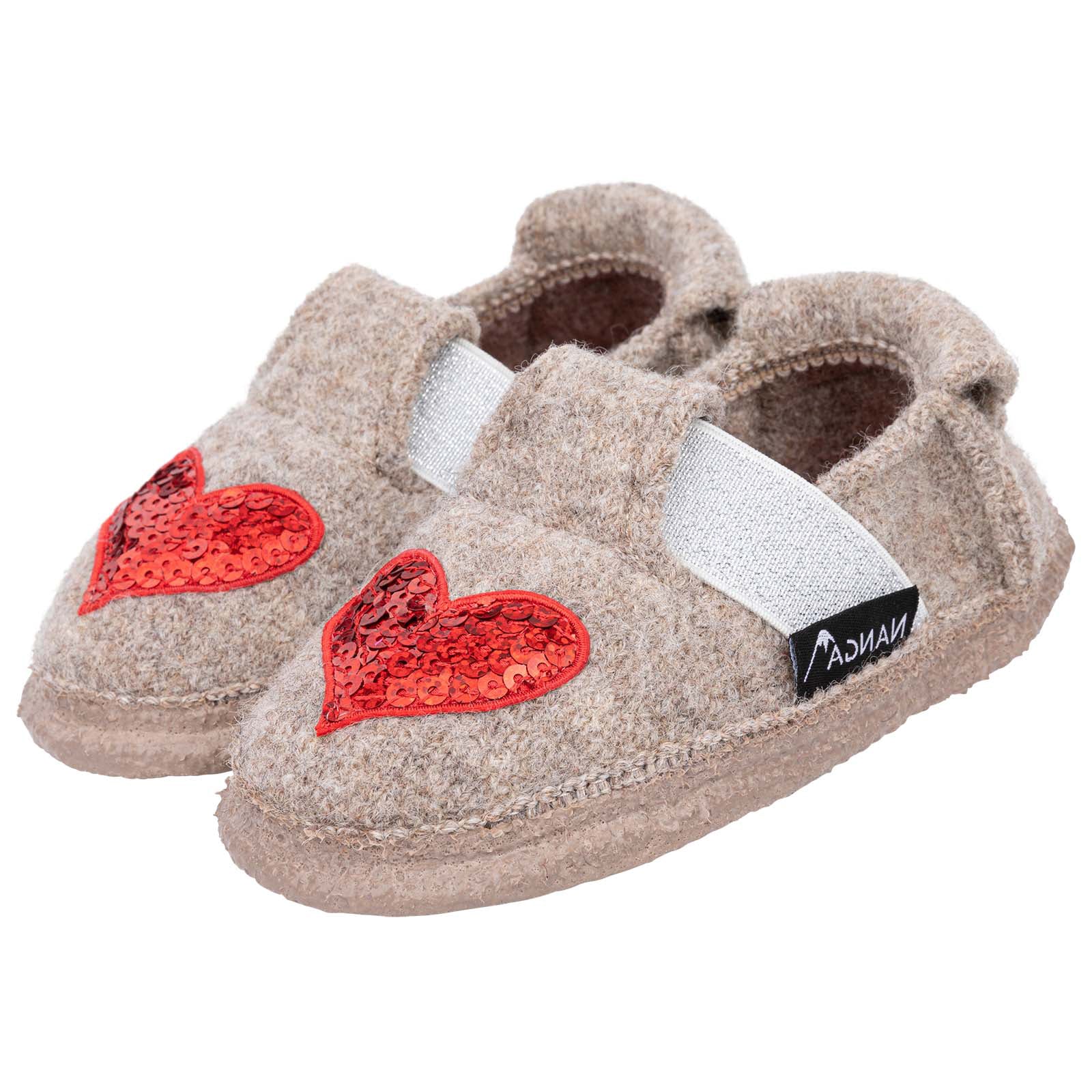
Safe, barefoot-like shoes for little indoor explorers

Combine high-contrast, tactile textures
Choose pairs of materials with noticeable differences, for example, coarse pebbles versus smooth tiles, soft felt versus rough wooden slats, and document the water resistance, cleaning, and feel of each surface. Establish clear transitions and pathways: narrow strips of different textures spaced at intervals, soft surfaces as resting areas, and graduated edges as deliberate learning points; abrupt changes sharpen perception, gentle transitions promote balance. Provide information on everyday usability so that the reader can weigh the options based on surface properties and maintenance requirements.
Secure all surfaces visibly and clearly: demonstrate suitable fastening methods, anti-slip measures, and techniques for rounding or gluing edges to prevent materials from shifting during crawling and grasping. Supplement tactile elements with additional stimuli, such as smooth metal plates for temperature contrasts, gravelly surfaces for sound and vibration, and plants with varying leaf textures for touching. Start with small, modular units, observe which surfaces are touched most often and avoided, and record cleaning requirements and wear patterns. Based on these observations, rearrange easily replaceable elements and adjust fastening methods and material choices to enhance durability, usability, and learning value.
- Recommended material pairings with technical specifications: Pebble versus smooth tile — Pebble: completely waterproof, can be cleaned with a hose or brush, very tactile and abrasion-resistant; Tile: water- and dirt-repellent, easy to wipe, smooth and thermally cool, slippery when wet. Felt versus raw wooden slat — Felt: susceptible to stains, spot cleaning possible, soft and cushioning, prone to pilling; Wooden slat (sealed): moderately water-resistant, damp wiping sufficient, rough, can splinter if unprotected. Smooth metal plate for temperature contrast — completely waterproof, quick to clean, very smooth and cool, mechanically robust but slippery without texture. For each pair, note water resistance, cleaning method, tactile description, and expected wear pattern.
- Fastening, slip resistance, and edge design: Mount hard coverings mechanically to the substructure or with permanently elastic adhesives; for modular surfaces, use hook-and-loop clamping frames or high-tack double-sided fasteners; secure textile coverings with seam reinforcement and a slip-resistant backing. Increase grip with tested slip-resistant coatings or textured surfaces; install slip-resistant underlays at transitions. Round all edges with radius-shaped profiles or rubber strips; use beveled ramps at level differences; glue or weld seams to prevent anything from coming loose or lifting up when crawling or gripping.
- Test and adaptation protocol for everyday usability: Start with small, modular units and observe systematically: document contact frequency, dwell time, avoided areas, soiling and wear patterns, as well as any edge delamination or reduction in slip resistance. Perform repeated cleaning cycles and note changes in color, shape, and adhesion. Replace or reinforce elements if visible delamination occurs, if there is persistent abrasion, or if users consistently avoid surfaces; reposition interchangeable modules to optimize learning value, durability, and cleaning requirements.

Place accessible containers and low planting stations.
Wide, shallow containers provide a stable, accessible surface for small hands and feet and are easy to fill with multiple layers of texture. Position containers within arm's reach and sitting area, secure unstable pots to the floor or balcony railing, and use heavy supports or fixings to ensure children can stand or sit safely. A wide base reduces the risk of tipping and provides more reachable surface for exploration with hands and feet. Rounded edges and padded rims increase safety and can transform shallow planting stations into seats or support surfaces.
Fill adjacent boxes with contrasting surfaces such as smooth river pebbles, fine sand, bark mulch, moss, and fleshy leaves so children can immediately compare differences in temperature, texture, and yielding. Cover drainage holes, choose hardy, non-toxic plants, and round or pad sharp edges to reduce the risk of injury. Vary materials, observe reactions, and adjust the arrangement to keep the experience safe and stimulating.
Heat-regulating, non-slip cotton socks for barefoot explorations

Introduce daily care rituals and simple sensory exercises.
Introduce a short wash and dry ritual, using different tactile materials in succession, such as a soft washcloth, a fine-grit brush, and a velvety cloth. Name the sensations and let the child participate in the decision-making process so that preferences become apparent. Link these sessions to existing care routines, keep them short and recurring, and gradually vary the intensity and textures rather than imposing them. Observe nonverbal cues to personalize the experience.
Collect stable, rounded everyday objects such as flat stones, cork tiles, grooved wood, soft felt pieces, and grippy rubber mats. Secure any loose parts, regularly check for sharp edges, and describe the materials before letting the child touch them so they can develop expectations. Create a small barefoot obstacle course on the balcony with three to five stations. Let the child feel and name different surfaces blindfolded, giving specific instructions such as "tap with your big toe" or "roll your foot over the grooves." Note which tasks improve fine motor skills and body awareness, rotate elements to avoid overstimulation, and regularly clean textiles and surfaces, allowing materials to dry thoroughly. Offer alternatives such as textured socks or a hands-on activity if the child has sensitive skin or needs skincare.
This guide shows how to transform a balcony into a safe sensory space that promotes tactile exploration, balance, and fine motor skills. Specific measures such as childproof barriers, non-toxic plants, and varied textures create practical learning islands that children can explore repeatedly.
Follow the suggested inspection routines, fastening and maintenance tips to minimize risks and ensure long-term stability. Experiment with small, modular changes, observe preferences, and adapt materials to keep your balcony safe, inviting, and practical for everyday use.