Many parents and caregivers know that time spent in nature is good for children, but they face the question of how to make walks exciting, educational, and safe at the same time. Observation sharpens attention, exercise improves coordination, and playful activities awaken curiosity.
This article offers practical guidance on safe planning, age-appropriate route selection, sensory-stimulating observation exercises, creative games, and integrating knowledge of nature into everyday life. With concrete checklists, game ideas, and observation prompts, you can transform every walk into an active learning and adventure playground for children.
Plan excursions safely and with children in mind
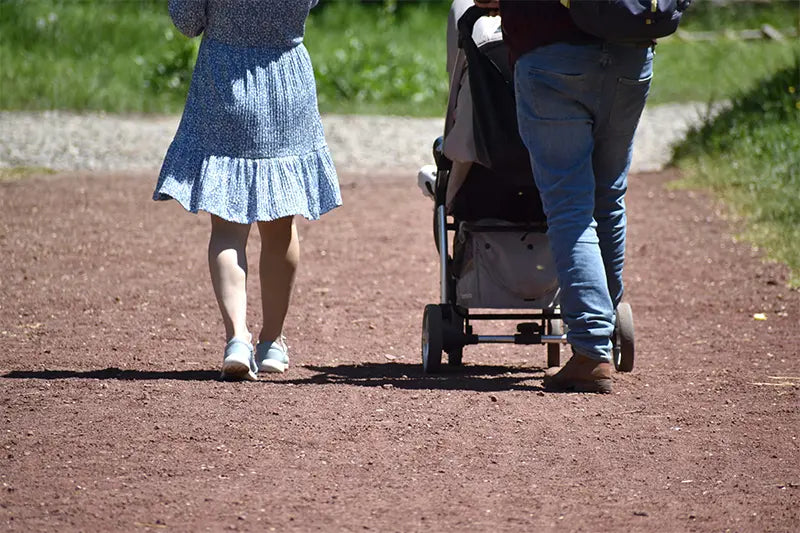
Before every hike, it's a good idea to create a short risk checklist: note down streams, steep sections, poisonous plants, mark safe detours, and check cell phone reception or alternative meeting points so you can make quick, informed decisions on the spot. Pack age-appropriately: breathable clothing, sturdy shoes, a water bottle, small snacks, sunscreen, insect repellent, basic plasters, and an emergency contact card in your backpack. Let children help with packing so they learn responsibility and know where their belongings are. Short stages, regular breaks, and discovery stops with specific tasks like counting shapes or following tracks reduce overwhelm and sharpen observation skills.
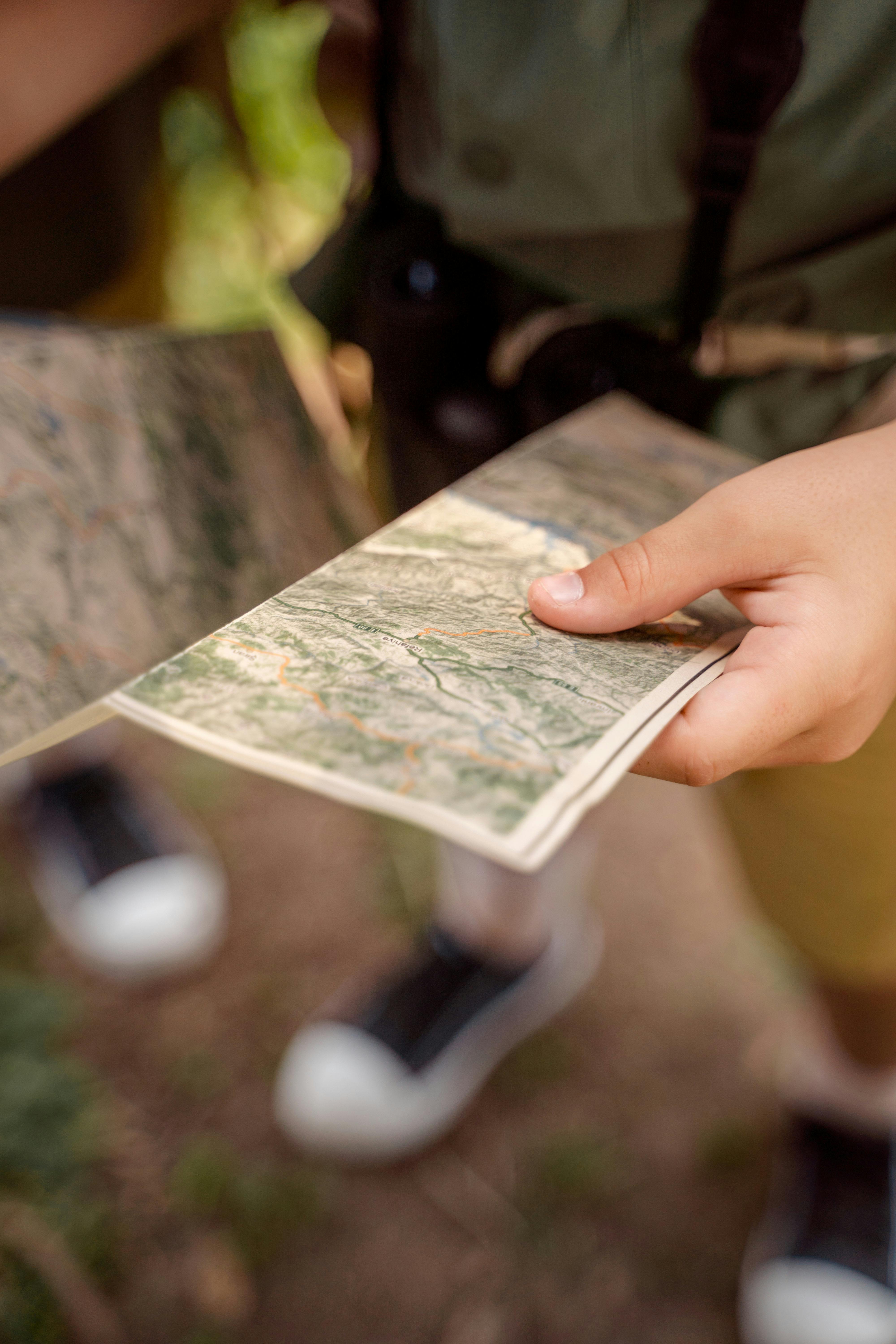
Establish clear procedures for emergencies: maintain visual contact, use a whistle or signal, and agree on a central meeting point. Supplement this with a physical note containing contact information in your backpack to reduce response times and avoid confusion. Assign age-appropriate learning and safety roles to children, such as map reader, photographer, or nature observer, combine each role with simple safety rules, and rotate tasks throughout the trip. This fosters awareness, responsibility, and engagement within the group, while reducing the need for adult intervention.
Choose comfortable, breathable, pressure-relieving sneakers for blister-free feet.

Choose suitable routes and game locations
Test the route yourself and adjust its length, difficulty, terrain, and incline to the children's age and stamina. Note rest points, short exit points, water sources, and seating areas so you can shorten or end the hike if necessary. Choose routes with diverse habitats such as meadows, deciduous forests, ponds, or rock piles, as each habitat type offers specific learning opportunities, such as taking water samples in a pond, identifying leaves in a meadow, and researching insects on deadwood. Pay close attention to natural hazards like steep banks or unstable deadwood, and mark or avoid these areas to minimize potential dangers early on. Then, define play areas and learning stations, such as a balancing log, an open clearing for running, or a quiet spot for listening, and clear these areas beforehand of broken wood, glass, and other hazards.
Check accessibility and emergency logistics, including parking, public transport connections, cell phone reception, trail visibility, and distance to the nearest medical assistance. Choose routes with multiple access points so you can react quickly in an emergency. Consider the season, weather, and ground conditions: seek shady spots in hot weather, sheltered areas in cold weather, and choose well-drained paths after rain. Avoid areas with dense tick vegetation or poisonous plants, and plan an alternative route if conditions are unsuitable.
Non-slip organic cotton socks for safe children's nature tours
Awaken your senses with observation exercises
Create a five-senses checklist to develop specific tasks: find three shades of green, name four different sounds, compare three smells, feel rough and smooth surfaces, and taste only familiar, safe parts of plants. Include brief safety tips for smelling and touching. Play detective with picture cards or symbols, ask open-ended questions like "What do you notice?" or "What has changed?", and have children describe or draw things aloud. Adapt the tasks to the children's age to encourage concentration and expression.
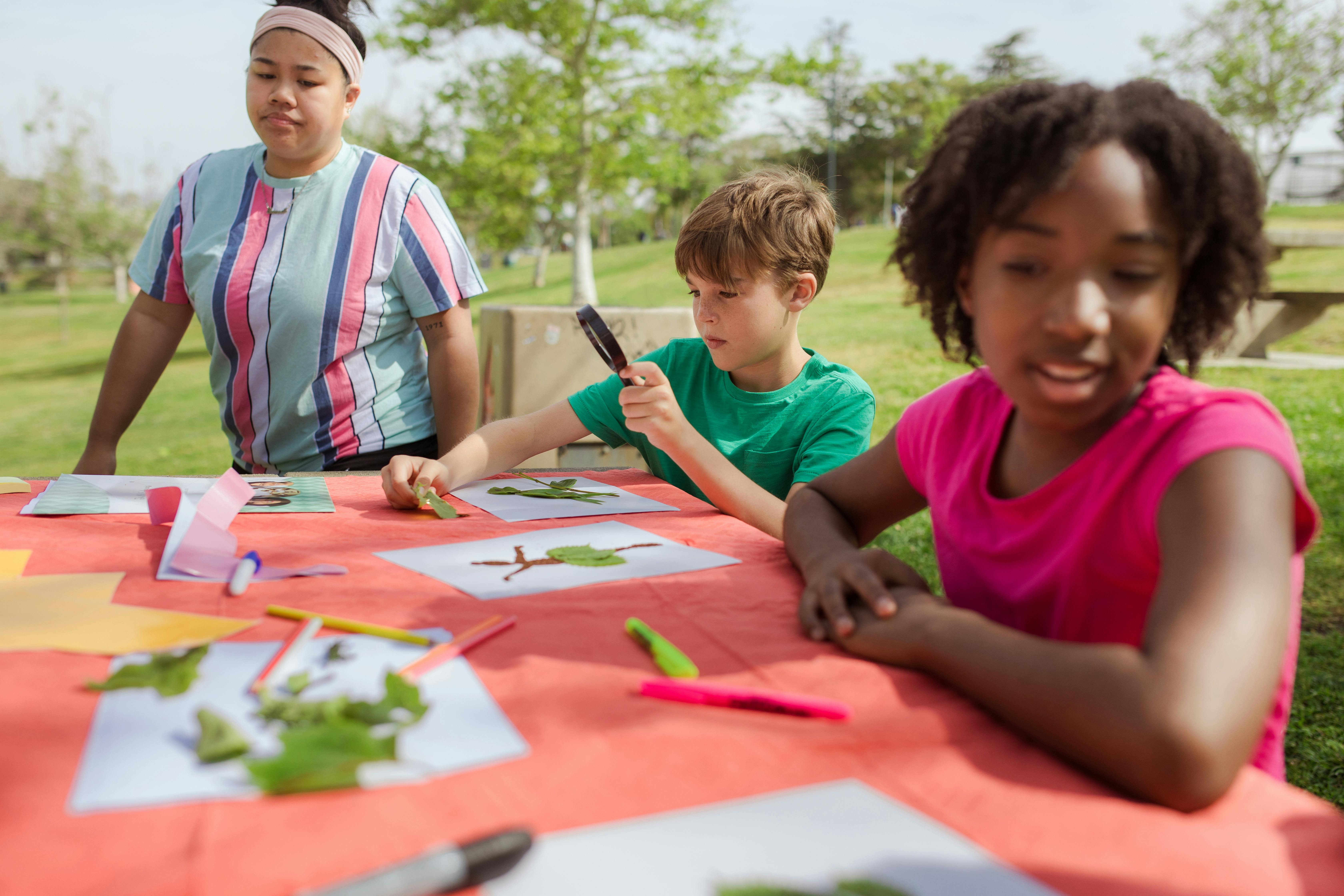
Use simple tools like magnifying glasses, binoculars, paper bags, and ribbons to visualize wind direction, and demonstrate how to observe insects respectfully without touching them. Train auditory perception with a short period of silence and a sound map: children point out the direction or draw symbols for sounds, and then compare their observations. Ask open-ended questions, encourage hypotheses, and have children sketch or write down their observations in short sentences. Encourage repeated observations so that changes in the habitat become visible and scientific thinking develops.
- Specific exercises for each sense: Formulate 3–5 clearly achievable tasks for each sense, e.g., Sight: Find three shades of green and compare picture cards; Hearing: Quiet phase, sound card, pointing in the direction; Smell: Compare three scents with safety instructions (only known plant parts, scent only brought close or swiped with the right hand, no deep inhalation); Touch: Feel rough and smooth surfaces; Taste: Only known, approved samples. Add brief safety rules for smelling and touching, respectful insect observation without touching, and clear supervision rules for each task.
- Materials and preparation check: List necessary equipment such as a magnifying glass, binoculars, paper bags, sound cards, ribbons, pens, drawing paper, containers, and basic protective materials like gloves and wet wipes. Plan the location with clear boundaries, designate a responsible adult, define the group size (smaller groups allow for more intensive observation), prepare spare materials, and note safety precautions and allergy information for participants.
- Guidelines for questions, documentation, and differentiation: Use open-ended questions such as "What do you notice?" and "What has changed?", encourage hypotheses, and have children sketch, draw symbols, or write short sentences. Foster scientific thinking through repeated observations, comparing notes, and simple measuring or counting tasks. Adapt tasks to the child's age: younger children with a few sensory-based tasks and models, older children with measuring tasks, repetition protocols, and independent documentation.
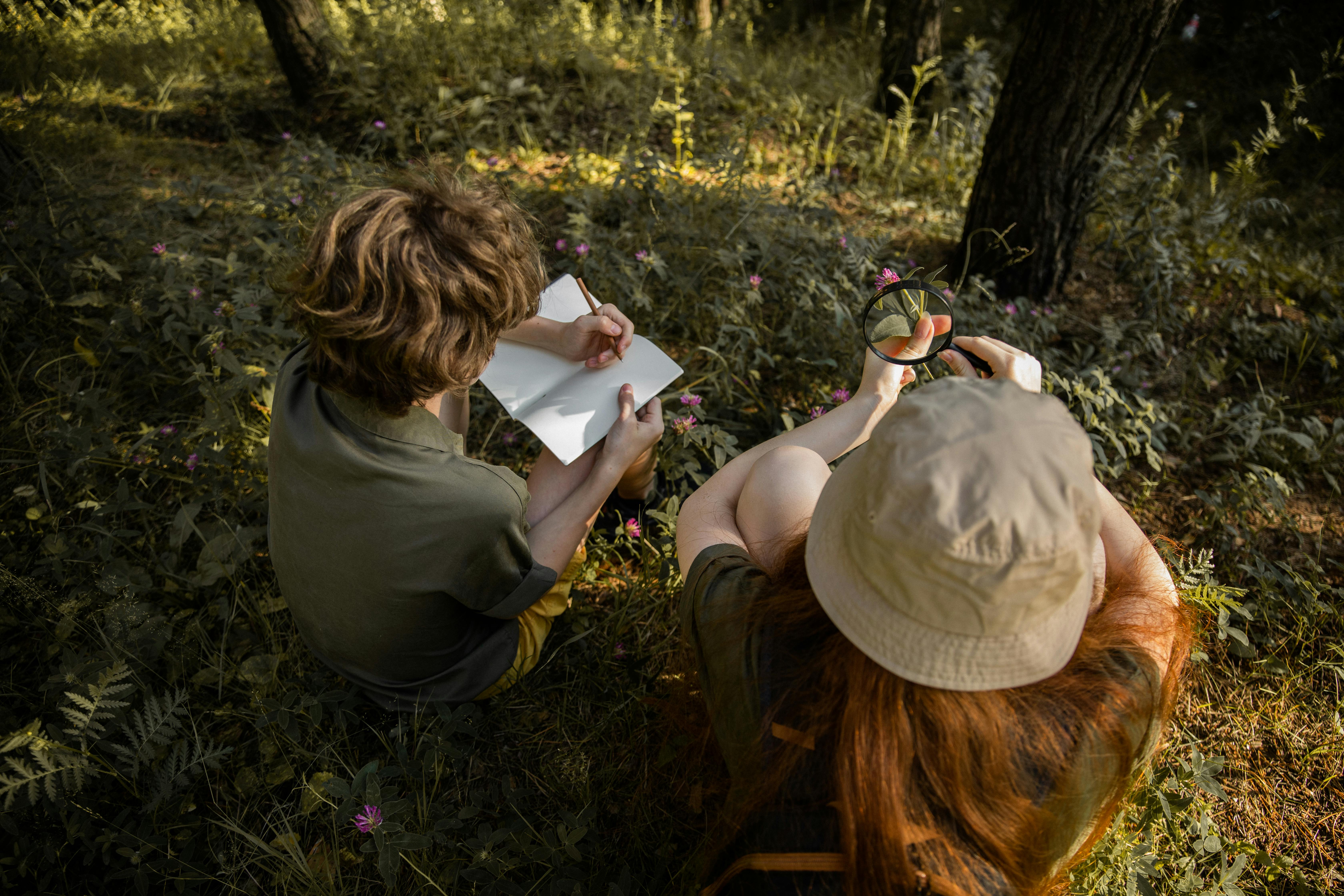
Organize nature games and treasure hunts
Create themed treasure hunts with picture checklists by choosing a theme like bird tracks or blue flowers, drawing or printing simple pictures, and establishing clear collection rules, such as taking a photo instead of taking the item. Visibly define the search area and use temporary markers made of easily movable sticks to ensure children stay safely within a manageable area. Supplement sensory bingo with cards for colors, sounds, smells, and textures, adapting the spaces to the children's age, and having them name found examples to develop perception and language skills. Assign roles like explorer, documenter, and map reader, define clear tasks, and rotate them so everyone practices teamwork and problem-solving.
Use natural materials as clues and creative tasks without harming the environment. For example, use leaf prints or bark rubs as puzzles and instruct children to put things back or take only photographic evidence. Incorporate simple orientation: draw a rough map on site, show how to describe finds using landmarks, and have children sketch or record their findings in a notebook. Conclude the activity with a follow-up, such as a small exhibition or presentation at home or in the group, to document and reflect on observations.
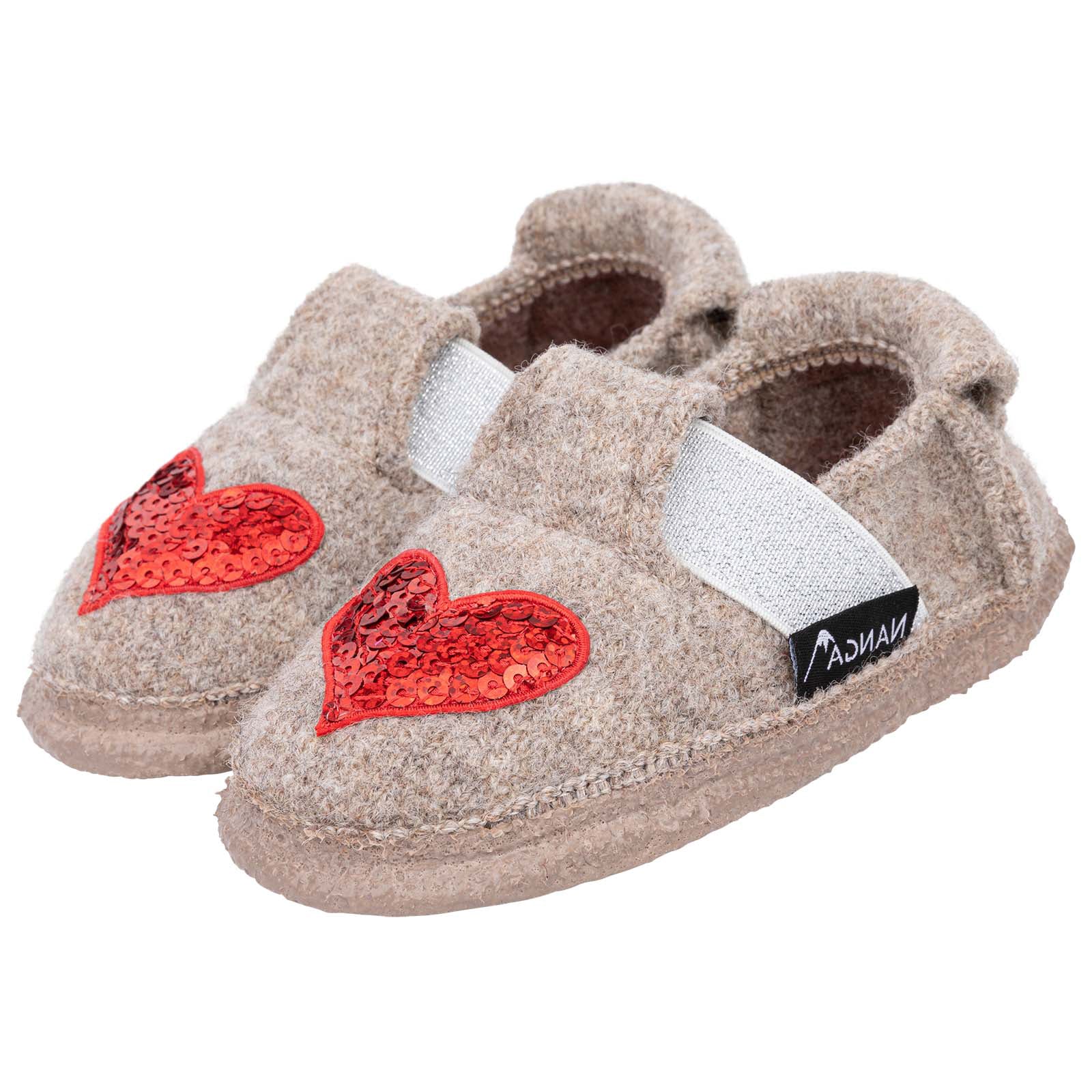
Give children barefoot-like movement with warm, non-slip wool shoes.

Integrate knowledge about nature into everyday life
Give each walk a clear micro-task, such as "Find a leaf with a jagged edge" or "Discover two different insects." These short, varied goals sharpen attention and create repeated successes that help solidify knowledge. Supplement the game with a sensory exploration routine: seeing, smelling, feeling, and hearing, and have children name, sketch, and compare their impressions. Multisensory processing has been proven to improve vocabulary and memory because children actively categorize and store impressions.
Incorporate found objects into your daily routine, perhaps on a labeled board with an accompanying question, so that regular exposure reinforces memories and connections. Integrate safety rules into your rituals: agree on maintaining eye contact, keeping a distance from unfamiliar animals, and wearing gloves; practice these rules playfully so that safe behaviors become automatic. Launch mini-research projects over several walks, documenting observations with sketches, photos, or brief notes, and comparing changes to promote systematic observation and long-term understanding.
With careful planning, age-appropriate route selection, sensory-stimulating observation exercises, and playful tasks, you can transform every walk into a safe, educational, and motivating nature experience for children. Short tasks sharpen attention, movement strengthens coordination, and repeated multisensory routines promote vocabulary and long-term retention.
Use checklists, clear rules, observation stations, treasure hunts, and short debriefings to promote responsibility, teamwork, and systematic observation. Try micro-tasks, rotating roles, and simple documentation; adapt routes to suit different age groups and implement regular reflections so that children can explore, learn, and develop an interest in nature safely.