
How consciously do children and adults actually perceive the signals of their bodies? Ten simple games and exercises show how body awareness can be strengthened in a targeted and playful way from head to toe.
The series begins with explanations and warm-up exercises, covers the head, neck, and breathing, and leads to balance, arm, and finger games, as well as torso, hip, leg, and foot exercises. All exercises are easy to perform, require little equipment, and can be used in everyday life, in kindergarten, or in therapy.

1. Clarify the importance of body awareness
Body awareness means perceiving the position, tension, and movement of one's own body without eye contact; this can be observed, for example, when reaching for something in a backpack or standing up without looking. A simple introductory test is standing on one leg with eyes open and closed, or touching the tip of the nose with closed eyes; this allows readers to experience their perceptual abilities directly. Measurable improvements include less stumbling, reduced muscle tension, better postural stability, and more precise lifting movements.
Proprioceptors, tactile sense, and the sense of balance continuously provide the brain with sensory data, from which it constructs a dynamic body model. It follows that slow, focused movements and tactile feedback sharpen this model and improve perception. To transfer this into everyday life, short body awareness checks, changing standing surfaces, and varying task requirements with a gradual increase in difficulty are recommended. The exercises can be easily adapted to age and ability, so that progress can be documented through regular, measurable tests.
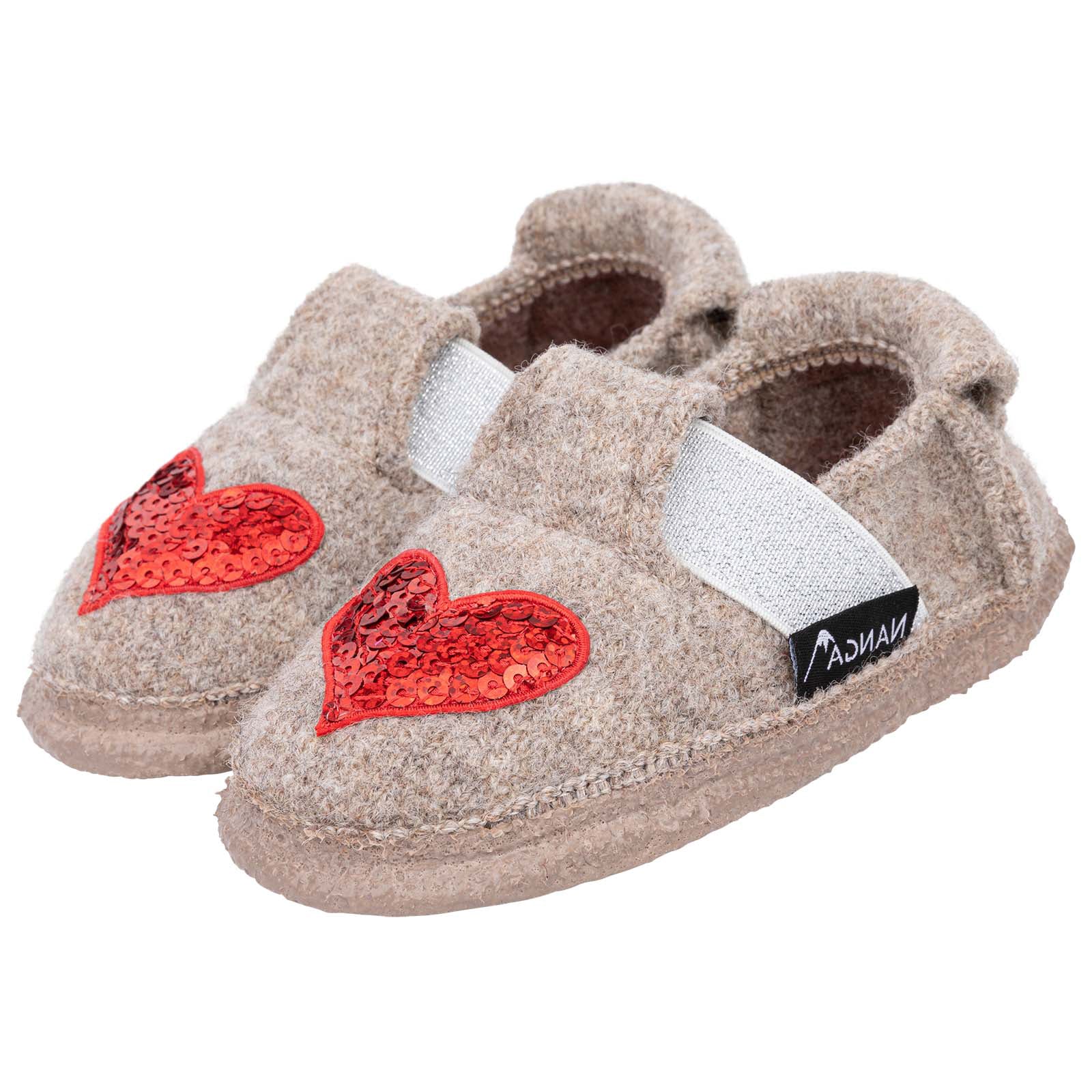
Strengthens body awareness: warm, barefoot-like, non-slip children's shoes
2. Create a safe environment and warm up
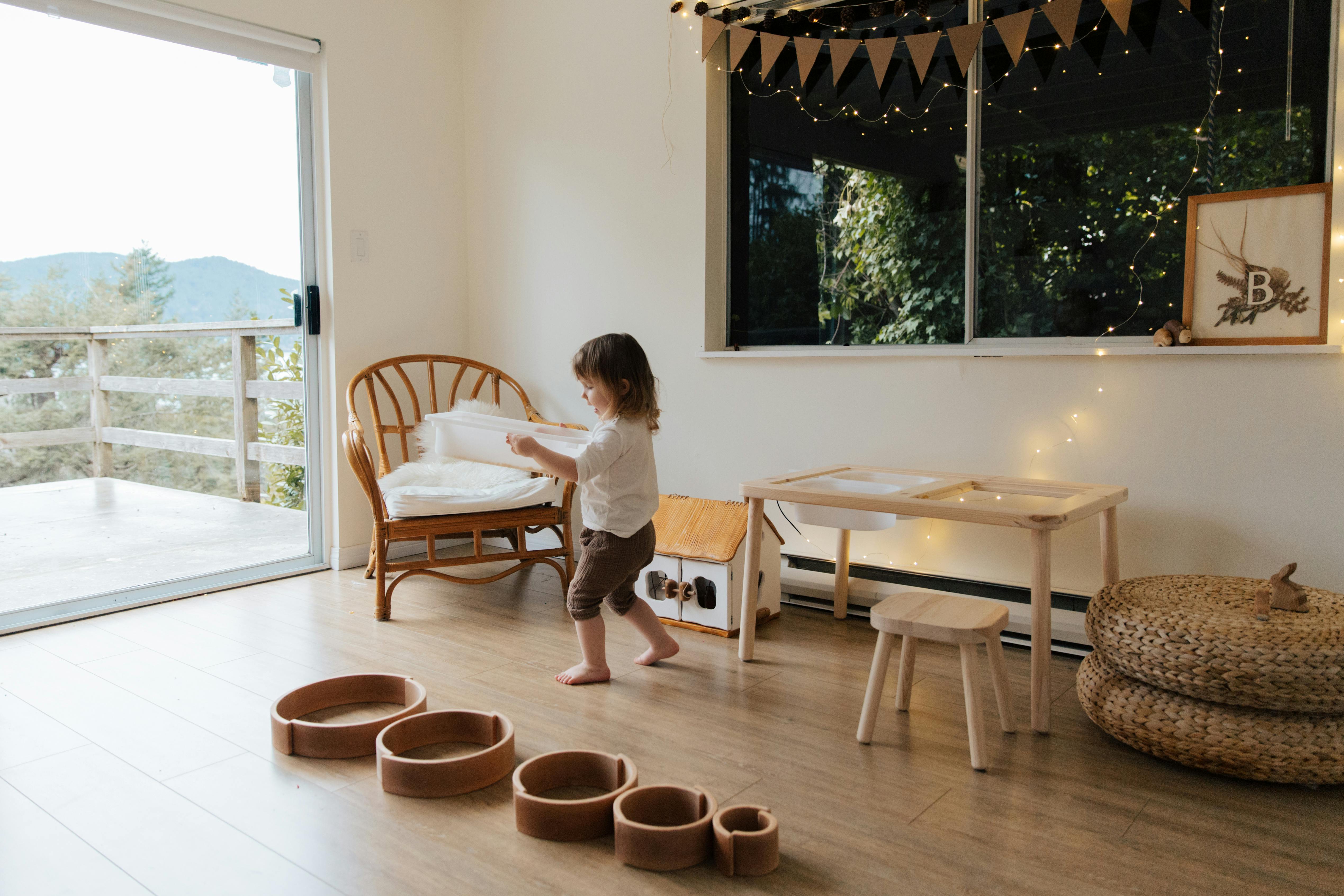
Clear the space, remove slippery surfaces and sharp edges, and create at least one clear movement zone; a clean surface reduces tripping hazards, increases freedom of movement, and facilitates partner or group exercises. Choose flooring and clothing options carefully: barefoot on a clean, level surface enhances foot awareness, non-slip socks or lightweight indoor shoes provide stability on uneven ground, and flexible clothing allows for full joint movement. Begin with a short, dynamic warm-up, incorporating breath and body awareness exercises, shoulder, hip, and ankle mobilizations, and progress to arm and leg swings to improve proprioceptive responses and joint mobility.
Prepare adjustments and aids, provide soft mats, chairs, wall seats, and grab bars, and describe variations with reduced amplitude or assisted support. Document easy to challenging progressions so participants can scale independently. Establish clear safety and communication rules, identify warning signs such as dizziness, severe pain, or nausea, and ensure a responsible supervisor is present. Keep an emergency contact list and a basic first-aid kit readily available so that a quick response can be made in case of an emergency.
Experience the feeling of being barefoot: non-slip, breathable, made from organic cotton.

3. Feel your head, neck and face
Begin with a systematic head scan, observing your forehead, temples, eye sockets, cheeks, jaw, ears, back of the head, and neck in succession, noting any differences in temperature, pressure, or tension. This fine-tuned discrimination training increases proprioceptive accuracy in the head area. Additionally, slow, controlled neck movements such as head tilts, chin lowering, and small rotations, while keeping the shoulders relaxed, will bring hidden tension to the surface. Humming at varying pitches creates perceptible vibrations in the face and skull, providing immediate tactile feedback that reveals points of resonance.
Use your fingertips to apply targeted, small, circular massages to your temples, jaw muscles, and forehead. Combine this with conscious relaxation as you exhale, and observe how the tension levels change. Visual feedback from a mirror enhances your perception by revealing subtle asymmetries and facial expressions. Try asymmetrical facial expressions and compare the sensations on both sides of your face to identify any differences. The combination of tactile contact, vibrations, slow movement, and visual comparison provides concrete clues as to where tension is located and how finely tuned your head and facial proprioception already is.
Warm your head and neck muscles with a merino hat.
4. Breathe consciously, feel your torso
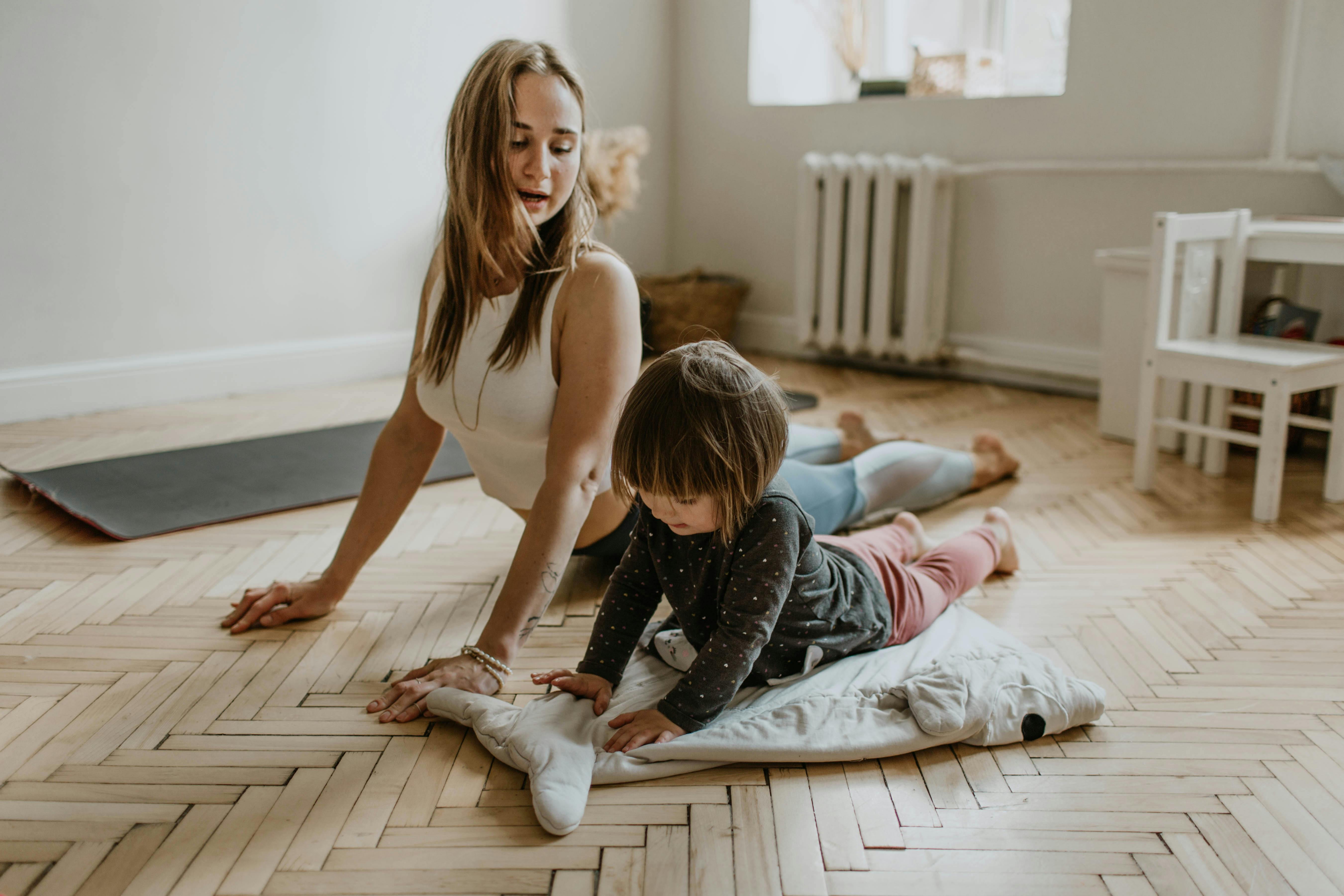
Begin with a simple diaphragmatic exercise: choose a lying or sitting position, place one hand on your chest and the other on your abdomen, inhale through your nose, and feel your abdomen rise. As you exhale, your abdomen gently contracts. Observable criteria include minimal chest rise, a perceptible movement under your hand on your abdomen, and calm, even breaths. To extend this exercise, place your hands on your lower ribs, direct the inhalation laterally into your sides, and stretch your ribs in the back as well. During exhalation, gently support your abdomen to relieve tension in your shoulders and chest.
Coordinate your breath and pelvic floor by feeling space in all areas of your torso as you inhale, and by gently, without straining or holding your breath, activating your pelvic floor as you exhale. Integrate breath with movement through breath-guided torso rotations, cat-cow movements, or standing forward bends to improve core stability, coordination, and body awareness in everyday life. Use your hands for self-monitoring, a mirror, or a cushion for tactile guidance. Recognize typical faulty patterns such as chest-focused breathing and shoulder tension, and correct them by relaxing your shoulders, breathing more slowly, and consciously inhaling laterally.
Breathe freely, move safely in non-slip cotton socks.

5. Strengthen balance through playful turns and swings
Short vestibular games can be built up in clear stages, for example, sitting, standing, with a supported hand, unsupported, with each stage increasing complexity. Use specific attention and breathing instructions such as calm exhalation before the turn, looking at a fixed point, hands on hips, and ensure safety by using a soft surface, having sufficient space, and having a support person available. Increase intensity by closing the eyes or varying the speed to produce measurable progress.
Partner and group exercises promote cooperation and balance, such as a game where two people spin holding hands, stop abruptly, and hold a balancing position; variations range from a slow seated version to a challenging one-legged version for advanced participants. Such exercises train bilateral coordination, reactive stability, and provide social feedback through mutual support. Specific standing variations include small body turns over one leg, heel-to-toe rocking with head rotation, and semicircular weight shifts; ensure a hip-width stance, fixed gaze, and arms used for balance. Measure progress with simple tests such as the number of stable 360-degree turns without hand contact or the quality of the landing after a rocking motion, document results, set small goals, and adjust the exercises if control is lost or uncertainty arises.
Barefoot-like sole, soft materials, ideal for balance exercises.

6. Train arm and shoulder coordination with throwing and catching.
A progressive approach begins with mobilizing exercises for the shoulder girdle and progresses from two-handed throws at close range to one-handed throws, varying ball sizes, and throws with stepping and torso rotation. This allows for measurable improvements in throwing accuracy and the transfer of skills to complex everyday movements. Teach stable scapular control, a slightly bent elbow, the wrist sequence during release, and a clean follow-through, and provide immediate, specific feedback.
For partner, group, and solo drills, paired passes with varying distances, circle or relay games to develop rhythm, mirror exercises for symmetrical control, and wall or rebound drills are recommended. Vary surfaces, ball weight, and visual or auditory stimuli; practice with the non-dominant hand; and encourage proprioceptive feedback to sharpen hand-eye coordination, bilateral integration, and adaptability. Ensure an open space and age-appropriate, soft objects are available. Document accuracy, throwing distance, and observed trunk compensations. Use video recordings for technique assessment to demonstrate the transfer of skills to everyday tasks such as overhead reach, carrying loads, and fall prevention.
Soft slippers support safe, natural footwork during throwing practice

7. Improve fine motor skills through finger games and tactile exercises.
Begin with concrete finger games such as counting rhymes and symbolic touches, by demonstrating, having the child imitate, and gradually increasing speed and complexity; typical progress is shown by more fluid movements and faster sequence changes. Use tactile bags or boxes with rough, soft, hard, and temperature-similar surfaces; have the child identify, describe, and categorize objects blindfolded, and measure tactile discrimination by repetition accuracy or time required. Strengthen fine motor skills with threading beads, shaping playdough, buttoning, and tweezing exercises, progressing from rough to fine tasks and documenting grip strength and finger coordination. Specifically observe changes such as more precise tweezers grips or faster fine manipulation as evidence of progress.
Promote eye-hand coordination and bilateral dexterity through targeted plucking, bean sorting, or target throwing with small objects, and adapt tasks to different ability levels. Integrate short, frequently repeated exercises into dressing, eating, and play routines, and offer variations for sensory sensitivities or motor limitations. Watch for warning signs such as persistent asymmetry, pain, or lack of progress, which may warrant a professional evaluation.
Comfortable, barefoot-like shoes support natural foot perception while playing.
8. Strengthen core stability, mobilize the hips
Core exercises like Dead Bug, Bird Dog, and side planks with leg lifts form a progressive building block to keep the spine neutral and train breath control. Specific corrective tips include drawing the navel towards the spine, avoiding pelvic tilt, slow, controlled movements, and synchronized breathing; this makes compensations visible. Progressions are achieved through arm or leg extensions, single-leg variations, or unstable surfaces, which gradually increase coordination and strength.
You train the glute bridge and single-leg bridge with conscious heel pressing and a neutral pelvis, which activates the posterior chain and prevents lumbar hyperextension. Dynamic flows such as forward and lateral leg swings, standing hip circles, deep squat skirts, and 90/90 transitions are ideal for hip mobility, gradually increasing the range of motion with targeted breathing. Playful elements like balance courses, animal crawling tracks, and paired mirrors enhance proprioception, allow for easy difficulty adjustments, and promote the transfer of these exercises to everyday life. Coaching guidelines include symmetrical force development, no breath holding, no hip shrugging, and the use of mirrors or video, as well as brief core-hip checks before exertion. This specifically improves balance, load distribution in the lumbar spine, and efficiency when lifting, climbing stairs, or playing sports.
Train your posture and balance at home with barefoot-like slippers.

9. Sharpens leg and foot perception, promotes proprioception
Barefoot exploration across various surfaces, combined with mindful steps, activates plantar receptors and enhances foot proprioception, especially when pace, direction, and gaze vary, or when eyes are closed. Consciously pay attention to the ball of the foot, outer edge, heel, and toes to feel different pressure and stimulus distributions and increase sensorimotor feedback. Such variations provide direct indications of areas for improvement and can be easily integrated into everyday situations. Small, measurable changes, such as altering surfaces or deliberately changing pace, increase the challenge and the learning effect.
Single-leg stance in graduated variations, starting with support and gradually releasing hand guidance to closing eyes or performing targeted tasks with the free leg, trains ankle and hip stabilizers and reveals any differences between the two sides. Complementary toe and foot strength exercises, such as spreading, flexing, actively lifting the arch of the foot, or picking up small objects, improve fine motor control for stable steps on uneven ground. Document difficult variations, adjust the difficulty and standing surface, have support options available, and consult a professional if you experience persistent pain, severe paresthesia, or neurological deficits.
Children's slippers that support natural foot movement and sensorimotor skills.

10. Incorporate barefoot games and rituals into everyday life
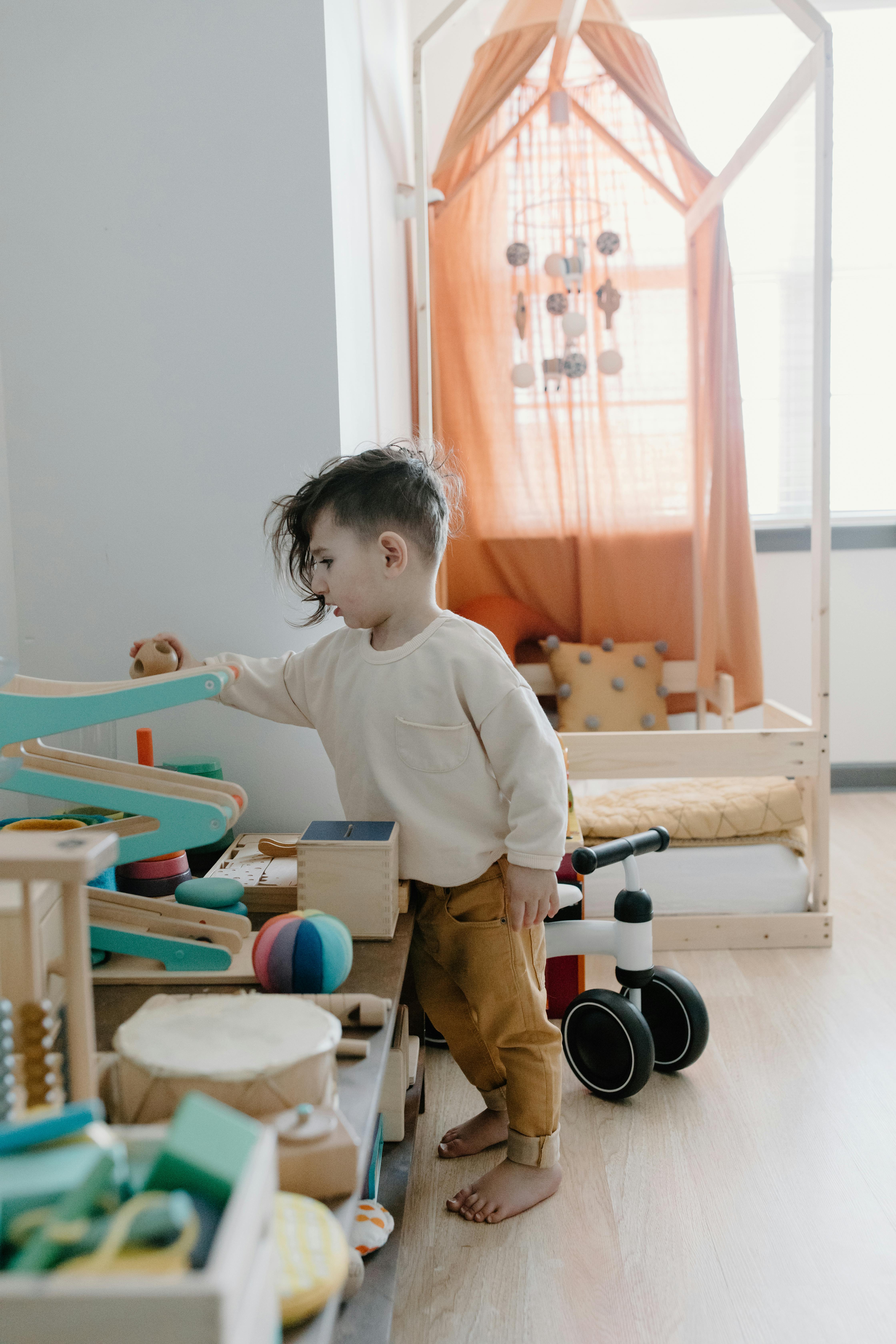
Create an indoor barefoot obstacle course using different surfaces like carpet, towel, wooden board, and a bowl of smooth pebbles. Set up varying tasks such as balancing on a cushion, walking forwards and backwards, or curling your toes. Check the floor for foreign objects and secure any loose items. Increase the difficulty by using narrower lines or closing your eyes to deliberately increase the challenge. Such variations stimulate plantar receptors, activate foot muscles, and sharpen proprioception because different stimuli refine the brain's map of the body. Short sequences can easily be incorporated into daily life and provide regular, subtle feedback about posture and stance.
Establish daily rituals such as taking off shoes, taking five mindful steps, a brief body scan to assess posture and tension, and consciously releasing the shoulders. Supplement these with individual and partner exercises like rolling a small ball under the sole of the foot, spreading and closing the toes, or grasping a cloth with the toes, avoiding painful pressure. Utilize safe, varied outdoor surfaces such as short-cut grass, fine gravel, or a firm path, and adapt tasks and seating positions to the child's age so that play and progression promote motivation and regular practice.
The ten simple games and exercises strengthen body awareness from head to toe by specifically stimulating tactile, proprioceptive, and vestibular senses. Regular, varied practice results in fewer stumbles, improved posture, and more precise movements.
Use the chapters on warm-up, head and breathing, balance, arm and fine motor skills, torso, hips, legs, and barefoot games as a checklist for everyday life, kindergarten, or therapy. Try simple variations, document small steps forward, and integrate short rituals to sustainably improve body awareness.